Understanding Utility Construction: How Underground Infrastructure Is Built in Rural Colorado
Building underground utility infrastructure in rural Colorado is an essential yet often overlooked aspect of modern development. From providing reliable electricity and water to supporting high-speed internet and gas services, these hidden networks form the backbone of communities and businesses across the state. Unlike urban areas, rural regions pose unique challenges due to varying terrain, sparse populations, and limited accessibility. Understanding the process behind underground utility construction not only highlights the complexity of this work but also showcases the expertise required to deliver safe, efficient, and long-lasting infrastructure solutions.
In rural Colorado, the stakes are particularly high. Harsh winters, rocky soils, and unpredictable weather conditions can complicate construction efforts, requiring careful planning and specialized equipment. Utility construction teams must navigate these obstacles while ensuring minimal disruption to local communities and the environment. By examining the methods, tools, and planning strategies involved, this article provides an in-depth look into how underground infrastructure is installed and maintained. Whether you are a property developer, municipal planner, or homeowner, understanding these processes can shed light on why professional expertise is critical in ensuring the reliability and longevity of underground utility systems.
1. Planning and Design: Laying the Foundation for Success
Assessing Community Needs
Before any physical work begins, utility construction projects start with a thorough planning and design phase. Engineers and project managers assess the needs of the community, including the type of services required—such as electricity, water, sewer, gas, and telecommunications. In rural Colorado, this often involves collaborating with county officials, utility providers, and local stakeholders to map out service areas that balance cost-efficiency with accessibility.
Surveying the Terrain
Surveying is a critical step in planning underground utilities. Professionals conduct detailed topographical surveys to identify existing infrastructure, soil types, rock formations, and potential obstacles like rivers or steep slopes. These surveys help determine the most practical routes for utility lines while minimizing environmental impact. For example, in mountainous areas, engineers may need to account for erosion patterns or avalanche zones to ensure infrastructure remains intact over time.
Designing for Longevity
Design engineers consider multiple factors to create utility systems that can withstand Colorado’s unique climate conditions. Materials are selected based on durability, resistance to corrosion, and thermal expansion properties. Electrical conduits may require specialized insulation, while water pipes must withstand freezing temperatures. Effective design ensures that once the system is installed, it operates reliably with minimal maintenance, reducing long-term costs for both providers and residents.
2. Excavation Techniques: Preparing the Ground
Trenching Methods
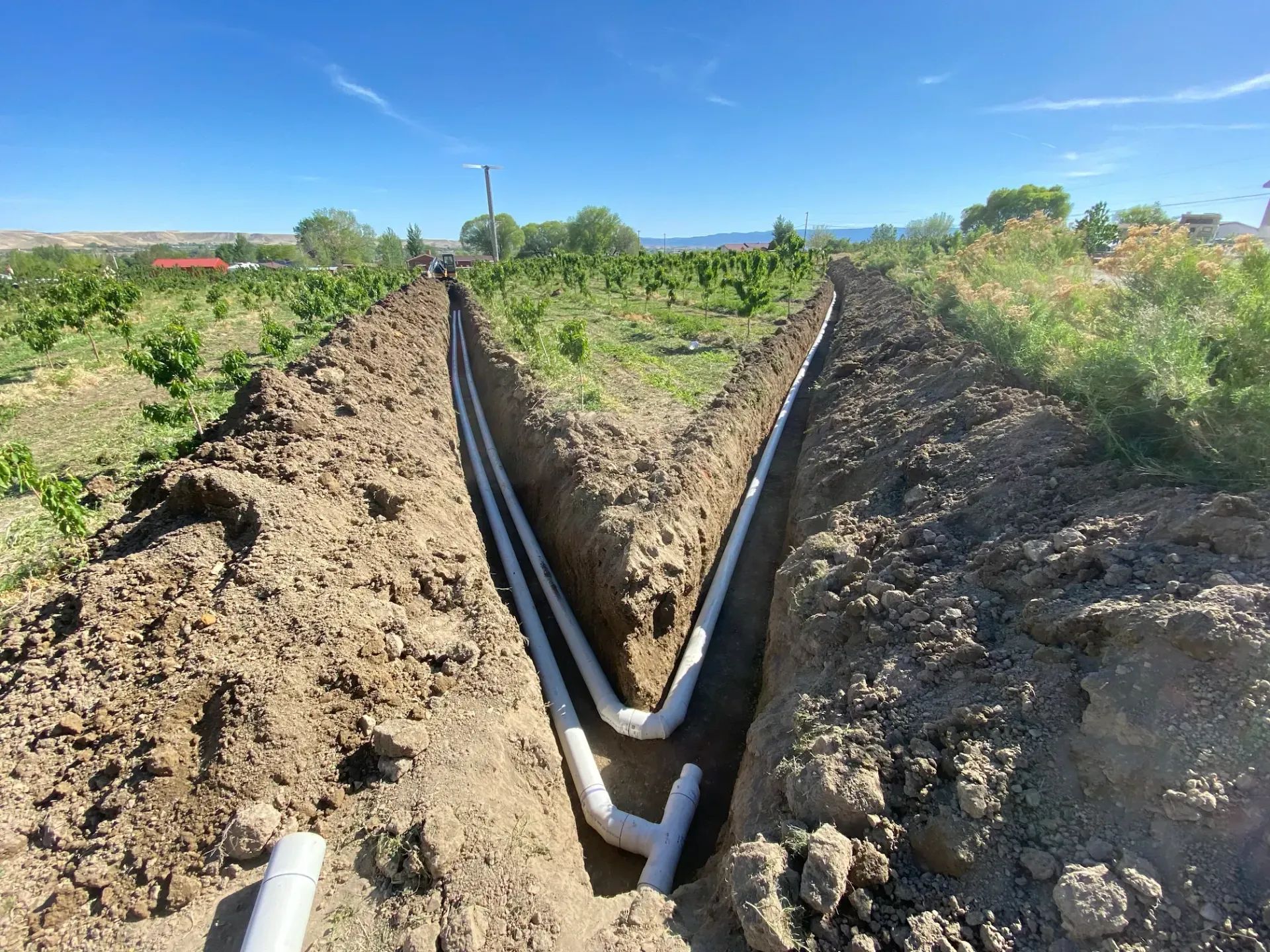
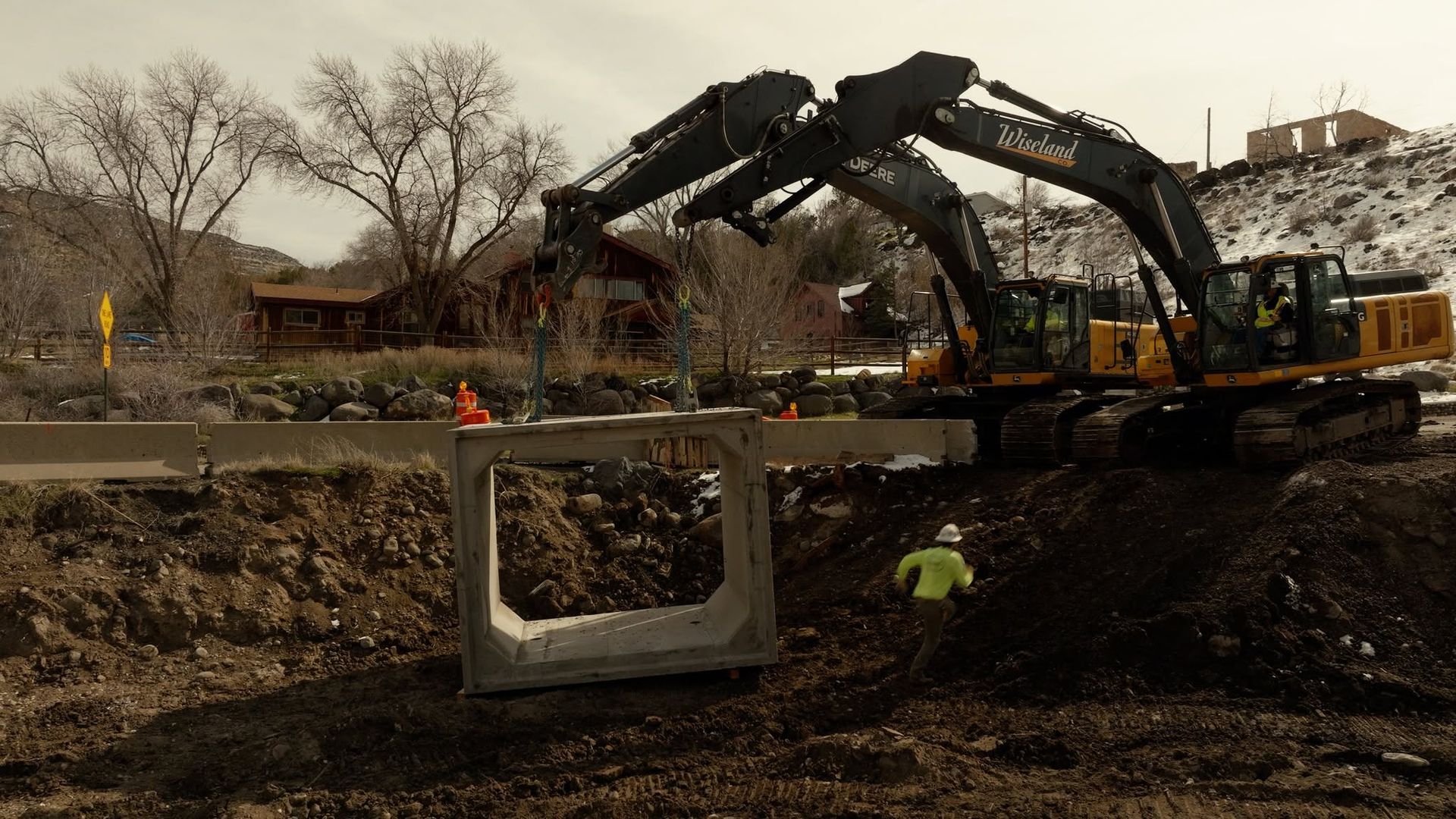
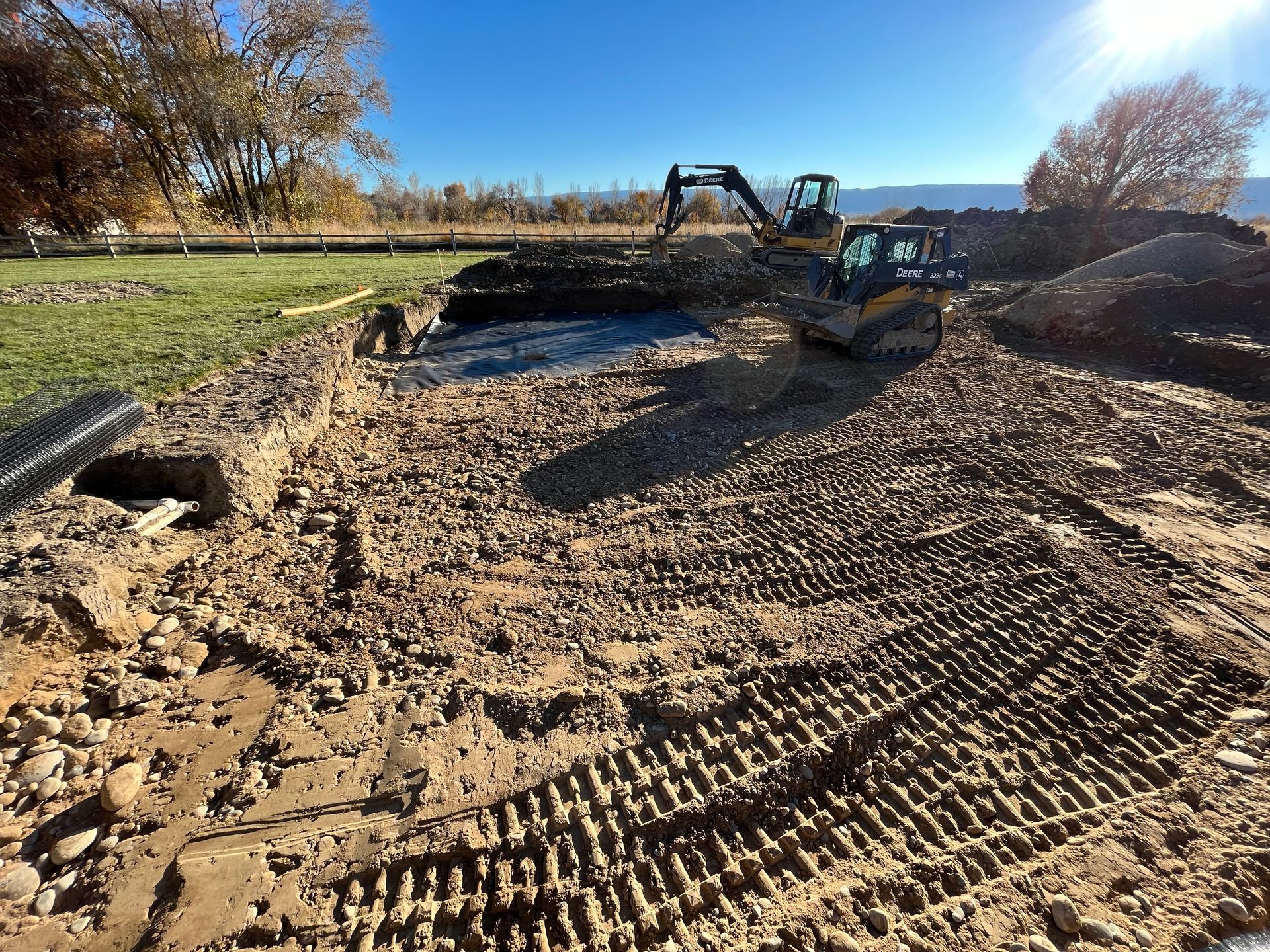
Excavation begins with trenching, which is the process of digging narrow channels to house pipes, cables, and conduits. In rural areas, trenching methods vary depending on soil composition and environmental constraints. Open-cut trenching is commonly used for softer soils, where a continuous trench is dug along the planned route. In rocky terrain or areas with existing infrastructure, specialized equipment such as rock saws or hydraulic breakers may be required to create precise channels.
Directional Boring
For locations where traditional trenching is impractical, directional boring or horizontal drilling is employed. This technique allows utility lines to be installed beneath roads, rivers, or other obstacles without disrupting surface activities. Directional boring reduces environmental impact, preserves natural landscapes, and minimizes community disruption. For example, installing fiber-optic cables under a river using horizontal drilling avoids the need to divert water flow, protecting both local ecosystems and public safety.
Safety and Compliance
Excavation in rural areas requires strict adherence to safety standards and local regulations. Utility construction teams must identify potential hazards such as underground gas lines, electrical conduits, and unstable soil conditions. Workers follow OSHA guidelines, employ proper shoring techniques to prevent trench collapses, and use utility locators to avoid accidental damage. Compliance ensures that projects are completed without injuries or costly delays.
3. Installing Utility Lines: Connecting Communities
Water and Sewer Systems
Water and sewer lines are essential to rural infrastructure development. Installation involves carefully laying pipes along the prepared trenches or bored paths, ensuring proper alignment, slope, and connectivity. Water lines are typically made of durable materials like high-density polyethylene (HDPE) or ductile iron, chosen for corrosion resistance and longevity. Sewer systems require precise slope calculations to ensure efficient wastewater flow, preventing blockages and backups.
Electrical Conduits and Gas Lines
Electrical and gas utilities require specialized installation procedures. Electrical conduits are placed underground with protective casings and insulation to prevent damage from soil movement or moisture. Gas lines, on the other hand, must be installed with leak detection systems and cathodic protection to prevent corrosion. In rural Colorado, where terrain and accessibility may complicate installations, crews often work in phases, completing sections incrementally to maintain safety and quality standards.
Telecommunications Infrastructure
With the growing demand for high-speed internet, fiber-optic networks have become a critical component of rural development. Fiber lines are sensitive to bending and environmental stress, making proper installation techniques essential. Crews use conduits to protect cables and ensure seamless connectivity. In areas with limited road access, aerial-to-underground transitions may be necessary, requiring coordination between construction crews and telecommunication providers.
4. Backfilling, Testing, and Restoration
Backfilling and Compaction
Once utility lines are installed, trenches are backfilled with carefully selected materials to provide stability and protect the infrastructure. Soil layers are compacted in stages to prevent settling, which could cause future damage or disrupt service. Proper backfilling techniques are crucial in rural regions, where uneven terrain or heavy snowfall could impact the integrity of buried utilities.
Pressure and Continuity Testing
Before utilities are activated, rigorous testing ensures functionality and safety. Water lines are pressure-tested to identify leaks, sewer systems are inspected for proper flow, and electrical conduits undergo insulation and continuity tests. Gas lines are tested for leaks and pressure integrity. These tests help prevent operational failures and protect both the environment and public safety.
Surface Restoration
After utilities are installed and tested, construction crews restore the surface to its original condition. In rural Colorado, this often involves regrading land, replacing topsoil, reseeding vegetation, and repairing access roads. Restoration not only preserves the natural beauty of the area but also maintains land usability for agriculture, recreation, or residential purposes.
5. Challenges and Best Practices in Rural Utility Construction
Environmental and Geographical Challenges
Rural Colorado presents unique obstacles for utility construction. Rocky soils, steep gradients, and fluctuating weather conditions can slow down projects and increase costs. Seasonal constraints, such as frozen ground in winter or mudslides during spring runoff, require careful scheduling and adaptable techniques. Environmental concerns, including waterway protection and wildlife preservation, further complicate construction planning.
Budget and Resource Management
Budgeting for rural utility projects requires careful consideration of materials, equipment, labor, and transportation logistics. Remote locations may increase costs due to longer travel times, limited access to suppliers, and specialized machinery needs. Experienced project managers allocate resources efficiently, plan for contingencies, and negotiate with suppliers to keep projects on schedule and within budget.
Best Practices for Efficiency and Safety
Successful utility construction in rural areas relies on meticulous planning, skilled labor, and adherence to best practices. These include conducting pre-construction surveys, employing modern excavation and installation techniques, monitoring soil conditions, and maintaining open communication with local authorities. Safety protocols, including trench shoring, hazard identification, and equipment training, are vital for protecting workers and ensuring project success.
6. The Future of Rural Utility Construction
Smart Infrastructure Integration
As technology evolves, rural utility construction increasingly incorporates smart infrastructure. Sensors embedded in water, gas, and electrical lines enable real-time monitoring, predictive maintenance, and rapid response to issues. Smart meters, leak detection systems, and automated grid management enhance service reliability and reduce operational costs, benefiting both providers and residents.
Sustainability Considerations
Sustainability is becoming a key focus in utility construction. Projects are designed to minimize environmental disruption, reduce energy consumption, and incorporate eco-friendly materials. Techniques such as trenchless installation, recycled materials, and energy-efficient equipment help reduce the carbon footprint of construction while ensuring long-term infrastructure resilience.
Workforce Development and Innovation
With ongoing demand for rural utilities, the industry emphasizes workforce training and adoption of innovative technologies. Training programs equip crews with skills in modern excavation, pipe installation, and digital mapping, while innovations in robotics and automated equipment enhance efficiency and safety. These advancements position rural utility construction as a forward-looking, technologically driven field.
Insights Gained from Successful Underground Utility Installations
Understanding underground utility construction in rural Colorado provides valuable insights into the intricate processes that support modern living. From initial planning and surveying to excavation, installation, testing, and surface restoration, every step requires precision, expertise, and adherence to safety standards. The challenges of rugged terrain, extreme weather, and environmental considerations make rural utility construction a complex but essential task. By integrating best practices, innovative technologies, and sustainability measures, professionals ensure that underground infrastructure remains reliable, efficient, and capable of supporting the evolving needs of communities.
For over 15 years,
Wiseland Construction & Excavation, based in Palisade, Colorado, has been a trusted leader in delivering comprehensive utility construction solutions. With extensive experience in rural infrastructure projects, the company excels in planning,
excavation, and installation of water, sewer, electrical, gas, and telecommunications systems. Their skilled team combines industry expertise with cutting-edge equipment to execute projects safely and efficiently. By prioritizing quality, reliability, and client satisfaction, we ensure that communities across rural Colorado benefit from durable, well-designed underground utility networks.