How Our Land Management Services Help Prevent Erosion and Protect Property Value
Land erosion is a silent yet pervasive challenge faced by property owners, farmers, and developers across the country. The gradual wearing away of soil not only compromises the aesthetic and functional value of a property but also threatens its long-term sustainability. Unchecked erosion can lead to structural damage, diminished soil fertility, and even increased flooding risks. For those managing rural, suburban, or commercial land, understanding the causes and prevention strategies is essential for maintaining property integrity and financial investment. Land management services play a pivotal role in mitigating these risks, providing solutions that balance ecological health, safety, and property preservation.
Property value is closely tied to the condition of the land itself. Erosion, if left untreated, can reduce usable space, destabilize foundations, and create costly maintenance issues. Investing in proactive land management not only safeguards the environment but also enhances the marketability and resale value of the property. By employing strategic erosion control techniques, including soil stabilization, vegetation management, and drainage solutions, property owners can prevent degradation and maintain both the natural beauty and functional potential of their land. In this blog, we’ll explore the key ways professional land management services address erosion, protect investments, and support long-term property sustainability.
Understanding Erosion and Its Impact on Property
What Is Soil Erosion?
Soil erosion occurs when the top layer of soil is worn away by natural forces such as water, wind, or human activity. While erosion is a natural process, human development, deforestation, and poor land management practices can accelerate it significantly. Loss of topsoil reduces soil fertility, affecting vegetation growth and increasing the risk of landslides and sediment accumulation in nearby waterways.
Why Property Owners Should Be Concerned
For property owners, erosion is more than an environmental issue—it’s a financial concern. Uncontrolled erosion can undermine foundations, wash away driveways or pathways, and reduce usable land. In agricultural or recreational properties, soil loss can diminish crop yields, landscape stability, and the overall usability of the land. The cost of repairing erosion-related damage often exceeds that of proactive prevention, making early intervention crucial.
Real-World Scenario
Consider a rural Colorado property on a slope with seasonal rainfall. Without proper drainage and stabilization, runoff can carve gullies across the land, causing sediment buildup in nearby water sources and destabilizing the property’s surface. Early intervention with professional land management prevents this scenario, preserving both the soil and property value.
Key Land Management Strategies to Prevent Erosion
Vegetation and Plant-Based Solutions
- Grasses and Ground Cover:- Planting grasses and ground cover is a cost-effective way to stabilize soil. Their roots bind the soil together, reducing displacement caused by wind and water. Native plant species are particularly effective as they are adapted to local climate and soil conditions.
- Trees and Shrubs:- Strategically placed trees and shrubs not only anchor soil but also act as windbreaks, minimizing wind erosion. Their canopy reduces rainfall impact, preventing surface runoff from dislodging soil particles.
- Example:- A residential property with steep slopes might employ deep-rooted native grasses alongside strategically planted shrubs. This combination slows water flow during storms, reduces sediment transport, and creates a natural, low-maintenance barrier against erosion.
Structural and Engineering Solutions
- Terracing and Retaining Walls:- Terracing slopes and constructing retaining walls redistribute water flow and prevent soil from sliding downhill. These structures are particularly useful for properties with steep gradients or unstable soils.
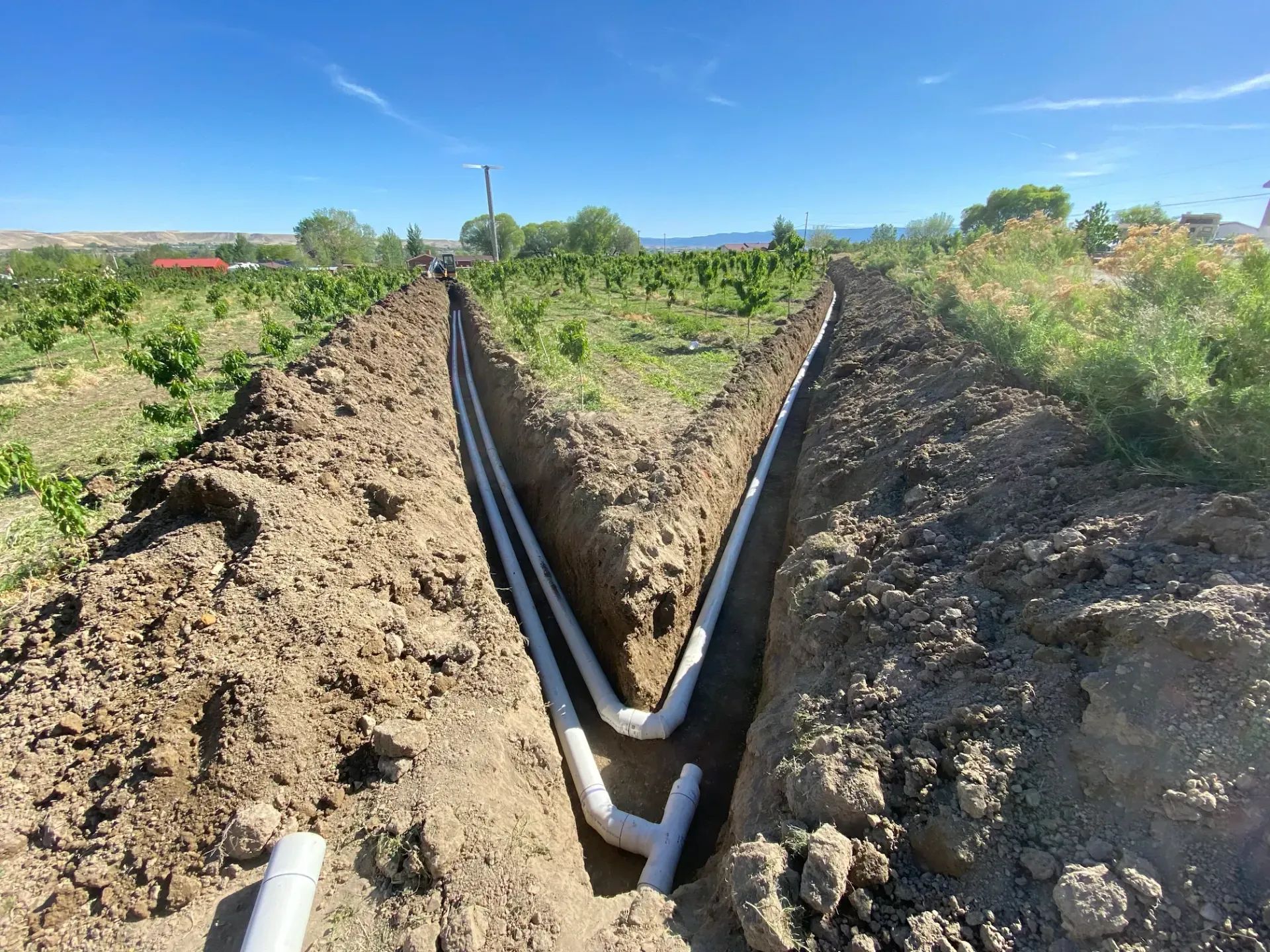
- Drainage Systems:- Proper drainage channels water away from vulnerable areas. French drains, swales, and culverts can be installed to manage surface water, reducing the erosive impact of rainfall and snowmelt.
- Example:- A commercial property on a hillside might implement tiered terraces with stone retaining walls, combined with drainage channels. This approach stabilizes the land, reduces maintenance costs, and protects nearby structures from erosion-related damage.
Mulching and Soil Amendments
Applying mulch or organic compost over exposed soil protects it from rain impact, reduces evaporation, and encourages healthy soil structure. Mulching is a practical, low-cost strategy for small residential plots and large agricultural properties alike.
Monitoring and Maintenance Practices
Regular Inspections
Effective land management requires ongoing monitoring. Seasonal inspections help identify early signs of erosion such as small rills, sediment accumulation, or destabilized slopes. Early detection allows for timely intervention, preventing minor issues from becoming major problems.
Soil Testing and Analysis
Periodic soil testing informs property owners about soil composition, compaction levels, and nutrient content. Understanding these factors is essential for selecting appropriate vegetation, drainage solutions, or structural interventions.
Proactive Maintenance
Preventive maintenance includes repairing minor gullies, replacing compromised ground cover, and ensuring drainage systems remain functional. Consistent upkeep protects soil integrity, reduces long-term repair costs, and supports the overall health of the land.
Example
A vineyard in Colorado may face seasonal heavy rains. Regular inspections combined with soil testing can guide the strategic planting of erosion-resistant cover crops and timely repair of minor washouts, safeguarding both the land and grape yields.
Innovative Technologies Enhancing Erosion Control Effectiveness
Advanced Soil Stabilization Techniques
Modern land management increasingly relies on innovative soil stabilization methods to prevent erosion effectively. Techniques such as hydroseeding, erosion control blankets, and geotextiles provide additional protection to vulnerable areas. Hydroseeding combines water, seed, and mulch to quickly establish vegetation, while erosion control blankets and mats reinforce soil on steep slopes, reducing the risk of washouts during heavy rain. Geotextiles act as permeable barriers, allowing water to pass while holding soil in place, offering both durability and environmental compatibility.
Drone and Survey Technology
Drones and advanced survey equipment enable property owners and land managers to monitor soil conditions and identify erosion-prone zones with high precision. Aerial imaging provides comprehensive views of large properties, revealing subtle changes in terrain, drainage patterns, and vegetation cover that may not be visible from the ground. This allows for proactive intervention, saving time and costs associated with reactive measures.
Smart Drainage and Water Management Systems
Innovative water management systems, such as automated drainage controls and permeable surfaces, help regulate runoff and minimize soil displacement. These systems can be customized for specific terrain and soil types, ensuring water is directed away from vulnerable areas while maintaining natural hydrological cycles.
Real-World Application
A hillside property in Colorado implemented a combination of geotextiles, hydroseeding, and smart drainage channels. The integrated approach stabilized the soil, prevented runoff-related damage, and preserved the landscape’s aesthetic and functional value, demonstrating how technology enhances erosion control outcomes.
Benefits of Professional Land Management Services
Expertise and Experience
Professional land management companies bring expertise in soil science, hydrology, and landscape engineering. They understand how local climate, soil type, and vegetation patterns influence erosion and can design customized solutions that maximize effectiveness.
Cost Efficiency
While DIY erosion control may seem economical, improper methods often fail and create additional expenses. Professional services employ proven techniques that deliver long-term results, reducing the need for frequent repairs and preserving property value.
Environmental Responsibility
Sustainable land management aligns with environmental best practices. Techniques such as planting native species, managing runoff responsibly, and minimizing chemical use help protect local ecosystems while controlling erosion.
Real-World Scenario
A large estate undergoing development might engage a land management service to design and implement an erosion control plan. By integrating terraces, native vegetation, and drainage systems, the property retains its aesthetic appeal, prevents soil loss, and avoids future remediation costs.
Common Challenges in Erosion Control and How They Are Overcome
Steep Slopes and Challenging Terrain
Erosion is often most severe on steep slopes or uneven terrain. Traditional methods may be insufficient, requiring a combination of structural solutions, vegetation, and soil amendments.
Solution: Professional services assess slope angles, soil composition, and water flow patterns to implement a multi-layered approach, often combining retaining walls, terracing, and deep-rooted plantings.
Heavy Rainfall and Seasonal Runoff
Colorado’s variable climate, including sudden storms and seasonal snowmelt, can accelerate erosion.
Solution: Installing efficient drainage systems and strategically positioned vegetation slows water flow, reduces sediment displacement, and prevents downstream flooding.
Soil Composition Challenges
Sandy or loose soils are more prone to erosion, while clay-heavy soils may compact and form runoff channels.
Solution: Soil stabilization techniques, including adding organic matter, mulch, or engineered soil-binding compounds, enhance cohesion and protect against erosion.
Securing Your Land’s Future Against Erosion Risks
Preventing erosion is essential for protecting property value, maintaining landscape integrity, and ensuring long-term land usability. Through a combination of vegetation management, structural solutions, drainage optimization, and ongoing monitoring, property owners can effectively mitigate soil loss and avoid costly damage. Professional land management services provide the expertise, tools, and strategies necessary to address the unique challenges posed by local soil conditions, topography, and climate. By adopting proactive measures and integrating multiple erosion control methods, landowners can safeguard both the environment and their investment.
Wiseland Construction & Excavation, based in Palisade, Colorado, has 15
years of experience providing comprehensive land management and excavation services. Our team specializes in erosion prevention, soil stabilization, and property protection, combining technical knowledge with hands-on expertise. We work closely with clients to design customized solutions that enhance property value, ensure environmental sustainability, and maintain the long-term usability of their land. When you choose us, you partner with a trusted authority committed to preserving your property while maximizing its potential through professional, reliable land management strategies.