What Mesa County Property Owners Should Know About Drainage Before Building
Quick Answer: Before you build anything in the Grand Valley, you need a plan for where water goes, because drainage designed after the fact is far harder to fix. The valley sits on expansive clay and Mancos shale that swell when they get wet and shrink when they dry, so uncontrolled water near a foundation is a real structural risk. Summer monsoon storms drop hard, fast rain on ground that barely absorbs it, sending most of that water running across the surface. Good drainage starts by shaping the lot so water slopes away from the building on all sides and by giving that runoff somewhere safe to go. The county and a licensed engineer set the criteria for how a lot's stormwater is handled, and that work belongs at the beginning of a project, not the end.
You are standing on a bare lot outside Fruita in late June, looking at a flat pad of dry, cracked ground and picturing the house that will sit there. The dirt is hard as pavement right now, and it is easy to assume water will never be a problem in a place that gets so little rain. Then you notice the low corner near the back of the property where the ground dips toward the neighbor's fence, the shallow ditch running along the road, and the irrigation lateral cutting across one edge. Those details are the whole story. Long before the first footing goes in, the shape of that ground decides where every drop of water will travel once the roof, the driveway, and the compacted pad start shedding it.
Drainage is the part of a build that owners think about last and regret first. In the Grand Valley, water does not behave the way it does in wetter country, and the ground it lands on is unusually sensitive to getting wet. Planning drainage before building is not about chasing a rare flood. It is about controlling something that happens on your lot every time a storm rolls off the Bookcliffs or the sprinklers run next door. Here is what shapes drainage in Mesa County and why the decisions made at the dirt stage carry the most weight.
Why Grand Valley Ground Makes Drainage a Bigger Deal Than the Rainfall Suggests
The Grand Valley is high desert, and the low annual rainfall fools people into treating drainage as an afterthought. The soil is the reason that is a mistake. Much of the valley sits on expansive clay and weathered Mancos shale, and these materials react strongly to water in a way sandy or gravelly ground does not.
Expansive soil is the most significant geologic hazard in Colorado, and it causes more property damage than any other natural hazard in the state. The Colorado Geological Survey describes soils that can expand 10 percent or more in volume as the clay takes on water, exerting pressures of 20,000 pounds per square foot or greater against foundations, slabs, and anything else confining them. Engineers generally treat a volume increase of just 3 percent or more as potentially damaging. In practical terms, that means water pooling against a foundation is not a cosmetic nuisance in this valley. It is a force acting directly on the structure.
The behavior that makes this worse is the cycle. These clays sit relatively dry in their natural state, then swell when wetted and shrink again when they dry out. The Geological Survey notes that arid and semi-arid regions like western Colorado, with big seasonal swings in soil moisture, actually experience more expansion problems than wetter parts of the country, because the ground goes through repeated wet-dry cycles instead of staying at a constant moisture level. Every time water reaches soil that should have stayed dry, and then that soil dries out again, the ground under a slab or footing moves. Do that season after season on one side of a house because drainage sends water there, and you get differential movement, the kind that cracks slabs, driveways, and basement walls.
Bad drainage feeds the exact conditions that damage foundations here. The Geological Survey specifically lists inadequate management of surface drainage and the ponding of water near a foundation among the practices that turn a manageable soil situation into a costly one. That is the connection owners miss. Drainage is not a separate topic from foundation health in the Grand Valley; it is one of the main levers that controls it.
Grading: The First and Most Important Drainage Decision
Every drainage plan starts with grading, because the shape of the ground is what moves water. The single most established rule in residential site work is to slope the finished grade away from the building on all sides so water drains off rather than toward the foundation.
The Building America Solution Center, drawing on ENERGY STAR and International Residential Code guidance, puts numbers on it. The IRC calls for impervious surfaces within 10 feet of the foundation to slope at least 2 percent away from the building. For permeable surfaces like soil and landscaping, the ENERGY STAR standard is a slope of at least half an inch per foot for the first 10 feet away from the house. That works out to roughly 6 inches of fall over that first 10 feet. The goal is simple: within the zone closest to the structure, gravity should be carrying water away, never letting it collect against the wall where it can saturate the soil.
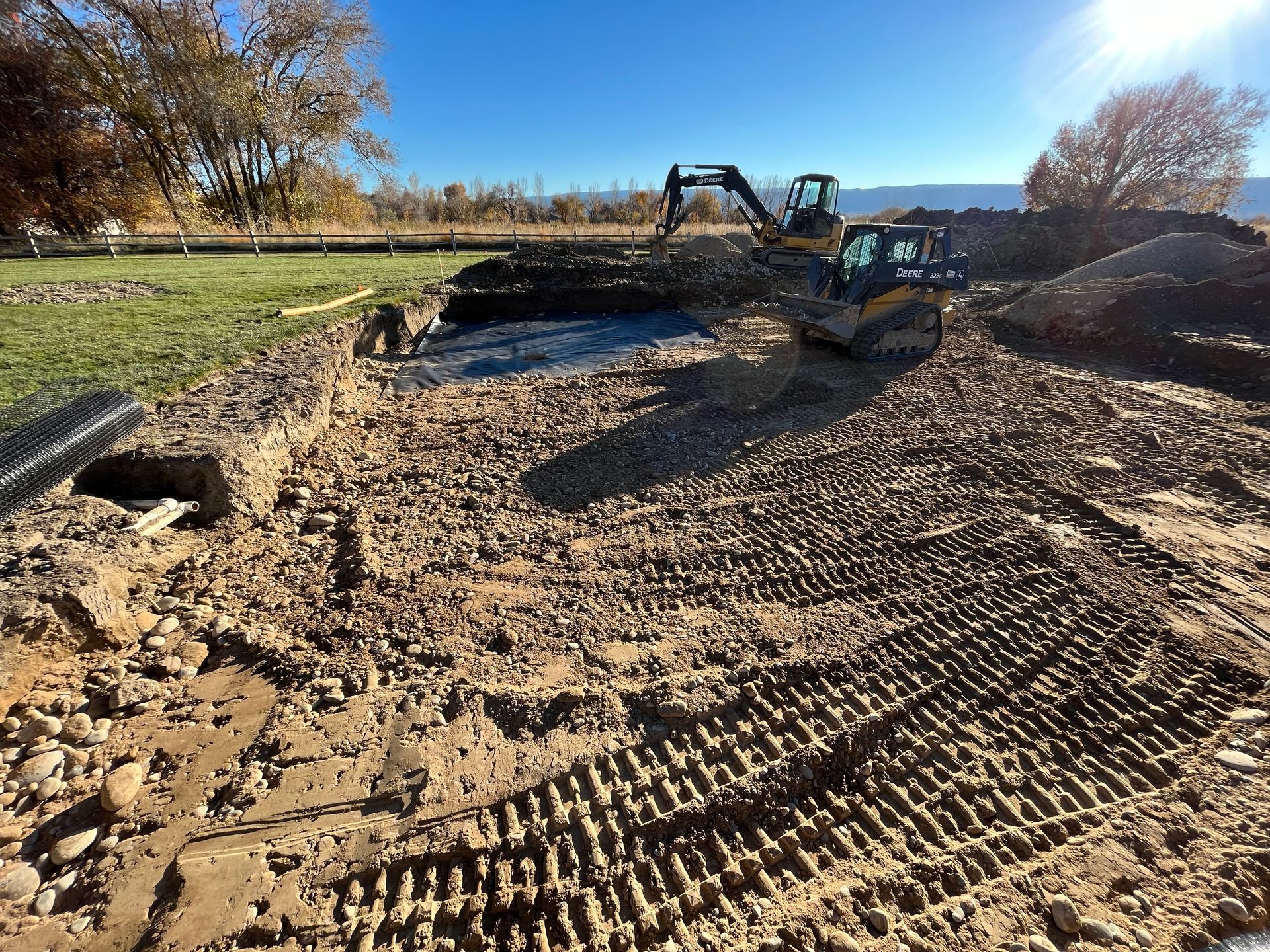
Getting that slope right is harder than it sounds on a flat valley lot, and it has to be planned into the earthwork. The Solution Center describes building up the site before construction if needed to create fall on all four sides, then, after the foundation is in, backfilling against the walls, shaping the final slope, and mechanically compacting the fill so it does not settle later and reverse the grade you worked to create. That last point matters in expansive-soil country. Loose backfill that settles can turn a slope that pointed away from the house into one that ponds against it, quietly undoing the whole plan.
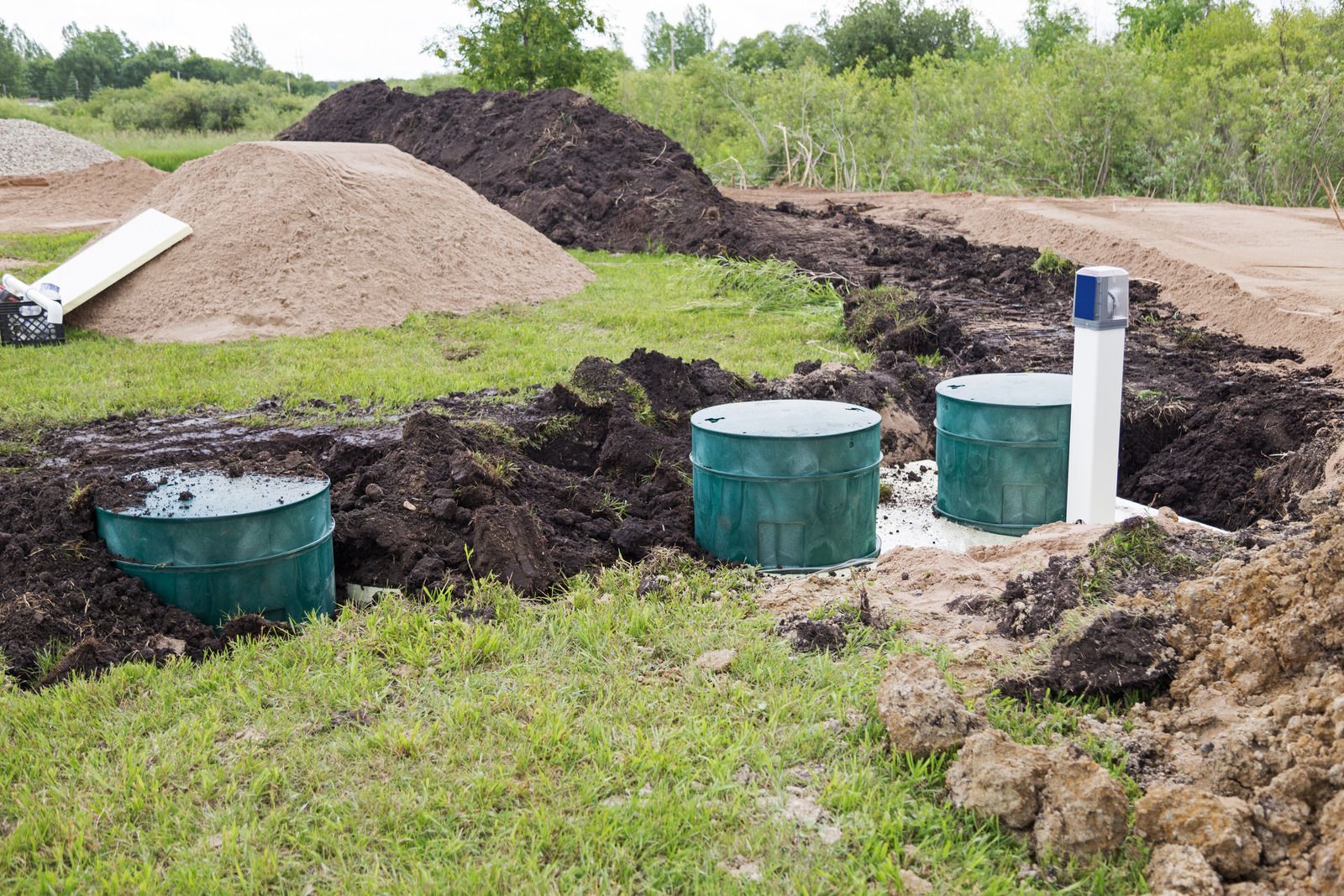
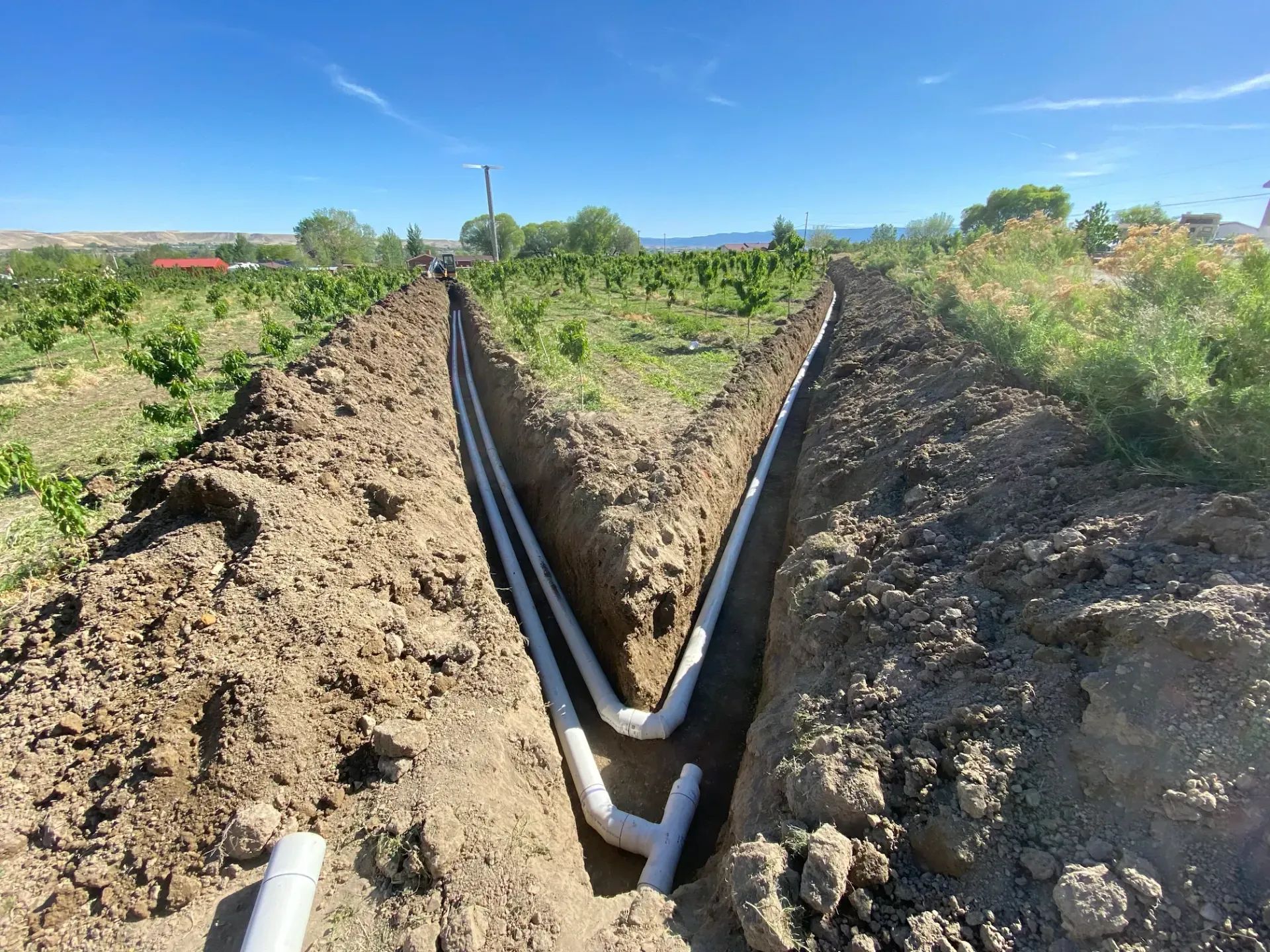
Where the water goes after it leaves the foundation matters as much as the slope itself. Sloping away from the house only helps if the runoff has somewhere to travel. On tight lots or where setbacks leave less than 10 feet of space, the standard guidance is to install swales or drains designed to carry water away from the foundation to an approved outlet. A swale is just a shallow, shaped channel that collects sheet flow and directs it, and on Grand Valley lots it is often the difference between water leaving the site in a controlled path and water finding the lowest corner on its own.
Warning: Never solve your drainage by sending concentrated runoff onto a neighbor's property or into an irrigation ditch that was not built to carry storm flow. Redirecting water carelessly can flood an adjacent lot, undermine a shared ditch, or create a dispute, and it often just relocates the damage. How a site's stormwater is allowed to leave the property is governed by the county's criteria, which is why the drainage outlet should be worked out with the county and a licensed engineer before you move dirt.
Irrigation Canals, Laterals, and the Water You Did Not Plan For
Drainage in the Grand Valley is not only about storm runoff. This is irrigation country, and the canals and laterals threading through Palisade, Grand Junction, and Fruita put water on the ground all season long. If a lot sits near a ditch or a lateral, that changes the drainage picture in ways a rainfall-only plan would miss.
Irrigation water is a steady source of moisture in soil that reacts badly to steady moisture. The Geological Survey specifically flags irrigation and yard watering next to a foundation as a common way expansive soil gets wetted and starts to move. A lateral running along the edge of a property, a neighbor flood-irrigating a pasture uphill, or a leaking ditch can keep ground damp long after the last rain, feeding the same swelling cycle that surface runoff does. Planning drainage before building means accounting for where that irrigation water sits and flows, not just where the rain lands.
Understand your ditch obligations and easements before you shape the ground. Ditch companies and irrigation districts hold rights and easements that affect what you can build near a canal or lateral and how you can grade around it. That is a matter to work out with the county, the relevant ditch company, and a licensed engineer rather than something to assume. The practical drainage takeaway is that a canal or lateral near your lot is both a constraint on your grading and a source of moisture your plan has to respect.
Working Drainage Into the Plan From the Start
The reason drainage belongs at the beginning of a project is that almost every fix gets harder and more limited once the concrete is poured. The Solution Center is blunt about this: once a home is built and driveways and patios are in place, regrading a site to correct water problems is a difficult process, and owners are left retrofitting drains and barriers instead of simply shaping the ground the right way the first time.
On a Grand Valley build, planning drainage early means the earthwork, the foundation type, and the stormwater path all get designed together. The county adopts the City of Grand Junction Stormwater Management Manual to govern drainage criteria, and the drainage submittal and design work is where a project's stormwater handling gets defined against those criteria. Rather than treating that as red tape at the end, the smart move is to treat drainage as one of the first questions on a site, because it influences where the building sits, how high the pad is, which way the lot falls, and where runoff ultimately leaves. A licensed engineer working with the county establishes what a specific lot requires, and that determination is far cheaper to honor before construction than to chase afterward.
Drainage is a system, not a single feature.
Grading, swales, foundation drains, gutter and downspout discharge, driveway slope, and the final outlet all work together, and a weakness in any one of them shows up as water where it should not be. A downspout that dumps against the foundation defeats a perfectly graded lot. A driveway that slopes back toward the garage collects every storm. The value of planning it as a whole, before building, is that each piece is shaped to move water in the same direction, away from the structure and off the site along a path that the ground and the ditches can actually handle.
Frequently Asked Questions
Why is drainage such a big concern in Mesa County when it barely rains here?
Even with limited annual rainfall, intense storms can overwhelm dry, compacted ground. Expansive clay soils absorb water, swell significantly, and place pressure against foundations. Proper drainage directs runoff away quickly, reducing structural movement, erosion, standing water, and long-term property damage risks.
How much should the ground slope away from a new building?
The ground should generally slope away from the foundation by about one-half inch per foot for the first ten feet on soil. This encourages water to drain safely away, reducing foundation saturation, soil movement, erosion, and moisture-related structural problems over time.
What happens if I build first and deal with drainage later?
Correcting drainage after construction is usually more expensive because buildings, driveways, and patios limit grading options. Poor drainage allows water to repeatedly saturate foundation soils, increasing the likelihood of settlement, expansive soil movement, cracking, moisture intrusion, and costly structural repairs later.
Do irrigation canals near my lot affect my drainage?
Yes. Irrigation canals, laterals, and nearby flood irrigation can keep surrounding soils consistently damp even without rainfall. This additional moisture may affect foundation stability, grading requirements, drainage design, and easement considerations that should be addressed before construction begins on your property.
When during monsoon season is runoff worst on a bare lot?
Runoff is generally worst when intense monsoon storms arrive after long periods of hot, dry weather. Hardened soil absorbs little water, causing heavy rainfall to flow across the surface rapidly, increasing erosion, flooding potential, and drainage challenges for undeveloped construction sites immediately.
Who decides what drainage a specific lot needs?
A licensed engineer working with local authorities evaluates the property's soils, slopes, drainage outlets, and applicable regulations. Their assessment determines the site's drainage requirements, ensuring stormwater management complies with local standards while protecting foundations, neighboring properties, and surrounding infrastructure from damage.
Getting Water Right Before the Concrete Goes In
The lot outside Fruita has not changed, but the way you read it has. That low back corner, the roadside ditch, the irrigation lateral, and the hard, cracked pad are no longer background details. They are the inputs to a drainage plan that decides whether the house you build sheds water cleanly for decades or slowly fights the ground beneath it. In a valley of expansive soil and monsoon bursts, the shape of the earth and the path of the water are the foundation under the foundation, and they are far easier to get right with a bare lot than with a finished home sitting on top of them.
Plan your drainage before the first footing, not after the first cracked slab — On a Grand Valley lot, expansive clay and monsoon runoff mean the direction water travels is decided the moment the ground is shaped, and correcting it later is difficult and limited. With 15
years of experience, Wiseland Construction & Excavation
grades sites to slope water away from the building, cuts swales and drainage paths that account for your lot's soil, slope, and nearby irrigation laterals, and coordinates the stormwater outlet with the county and a licensed engineer so the plan holds up when the July storms hit across Western Colorado. Reach out to walk your lot and build the drainage into your site plan from the start.