The Role of Hauling Services in Efficient Construction Project Timelines
Construction projects rely heavily on timing, coordination, and efficient resource movement to stay on schedule and within budget. Among the many operational components that influence project speed, hauling services play a crucial role in ensuring materials, debris, and equipment are transported smoothly between sites, suppliers, and disposal locations. Without reliable hauling support, even well-planned projects can face costly delays, workflow interruptions, and site congestion that directly impact productivity. This also increases pressure on labor teams, as idle time and mismanaged logistics often disrupt planned execution sequences and resource allocation.
In modern construction environments, the demand for faster project completion has increased significantly due to rising development costs and competitive deadlines. Hauling services help bridge the gap between different phases of construction by maintaining continuous material flow and ensuring job sites remain organized and safe. From soil removal during excavation to delivering aggregates, steel, and heavy machinery, efficient hauling directly supports every stage of development. It also helps maintain better coordination between suppliers and on-site teams, reducing the chances of material shortages or overstocking that can slow down progress.
Proper logistics coordination through professional hauling operations allows contractors to maintain steady progress without unnecessary downtime. This makes hauling not just a support function but a strategic necessity in construction planning. Understanding its impact helps project managers optimize schedules, reduce risks, and improve overall operational efficiency across residential, commercial, and infrastructure projects. It further enhances decision-making by providing predictable material movement patterns, enabling more accurate forecasting and smoother project execution from start to finish.
Importance of Hauling Services in Construction Workflow Efficiency
Material Transportation and Supply Chain Continuity
Hauling services ensure that essential construction materials reach project sites exactly when required, preventing costly delays and interruptions. Cement, gravel, sand, steel, and prefabricated components must be delivered in a coordinated manner to maintain workflow continuity. Efficient logistics reduce idle labor time, improve productivity, and allow construction teams to focus on execution rather than waiting for delayed or missing supplies consistently.
Site Clearance and Waste Management Efficiency
Construction sites generate large volumes of waste, including debris, excavated soil, and demolished materials that must be managed efficiently to prevent disruption. Without structured hauling operations, accumulation can quickly hinder workflow and create safety risks. Regular removal of waste ensures a clean, organized environment, allowing workers and equipment to operate efficiently while maintaining compliance with environmental and operational standards overall.
Equipment Mobility and Operational Flexibility
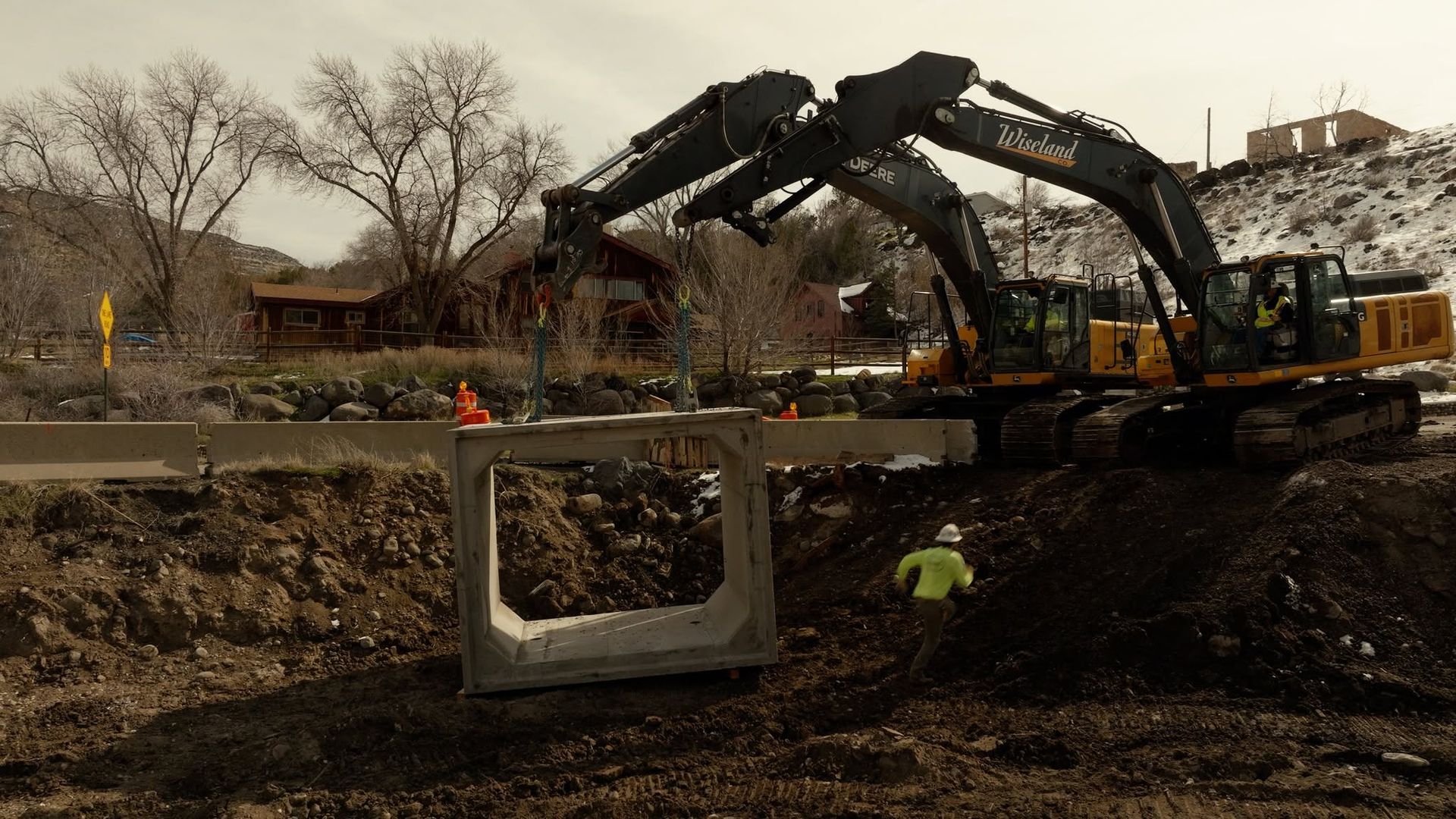
Heavy construction equipment often needs to be transported between multiple project locations or repositioned within large development sites to maintain operational efficiency. Hauling services provide the logistical capability required to move excavators, loaders, and compactors safely and efficiently. This flexibility reduces downtime, ensures equipment availability, and improves productivity across all phases of construction activities without unnecessary operational delays occurring consistently achieved.
Role of Hauling in Excavation and Site Development
Excavated Material Removal and Land Preparation
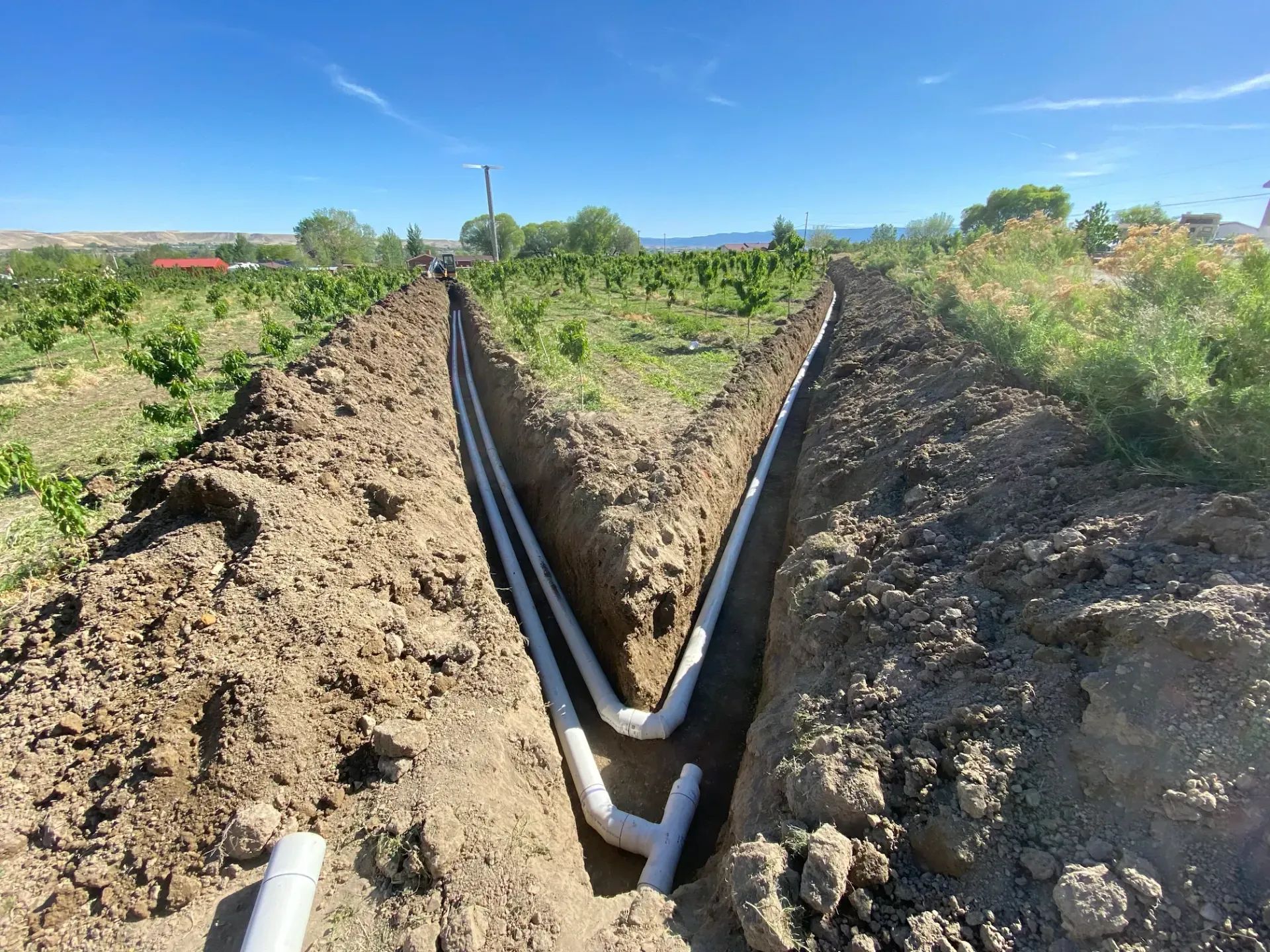
During excavation activities, large volumes of soil, rock, and debris must be removed efficiently to prepare foundations for construction. Hauling services ensure this material is transported quickly to designated disposal or reuse sites. Efficient removal prevents site congestion, supports continuous excavation work, and allows project teams to maintain steady progress without interruptions affecting early-stage construction operations significantly throughout project timelines.
Supporting Grading and Foundation Accuracy
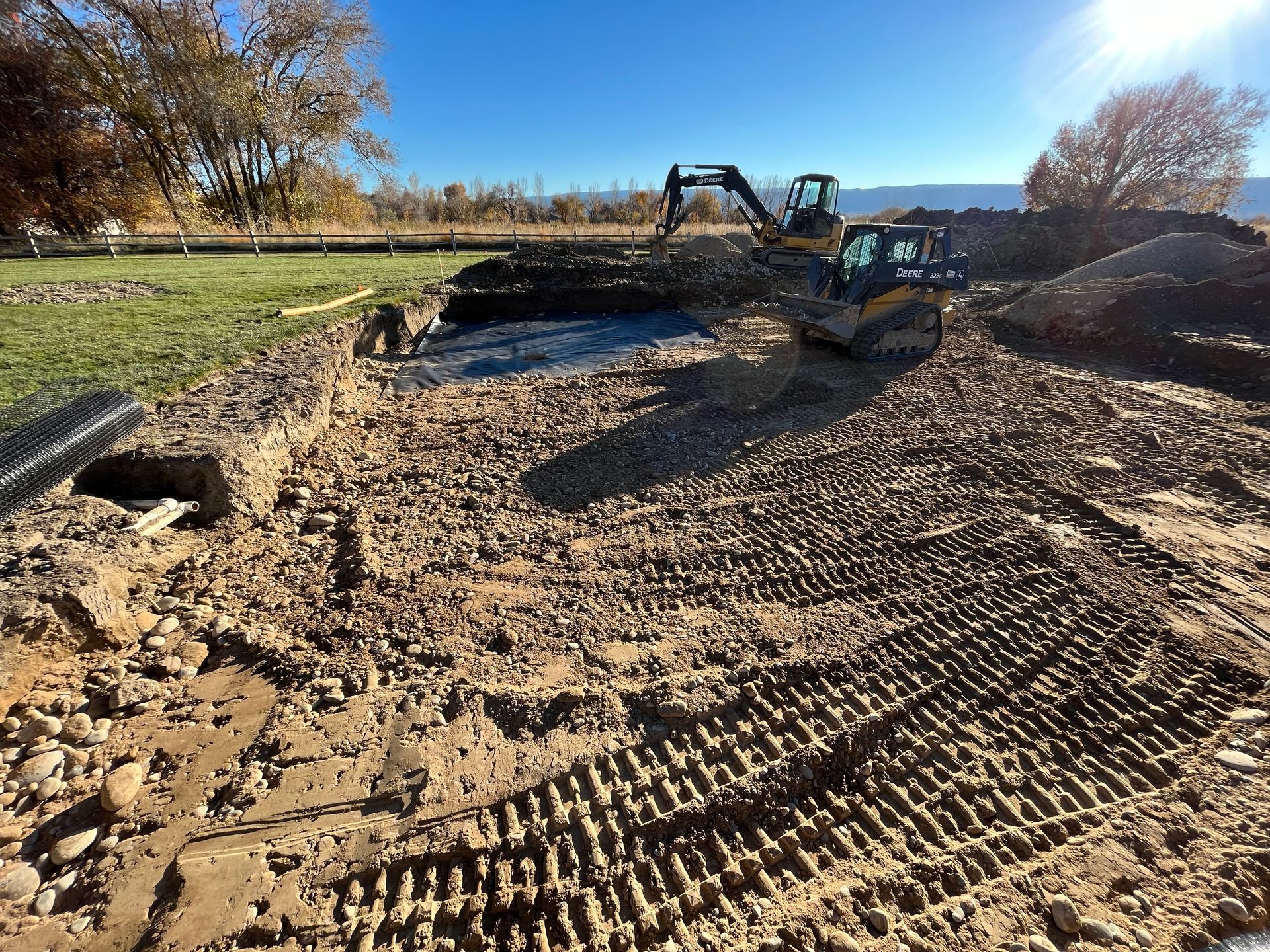
Proper grading is essential for structural stability, drainage control, and long-term durability of construction projects. Continuous hauling support ensures excess material is cleared promptly, allowing grading equipment to achieve precise leveling and accurate surface preparation. Delays in hauling can lead to uneven surfaces, rework requirements, and significant project setbacks, making coordination between teams absolutely critical for success consistently maintained standards.
Minimizing Downtime in Early Construction Phases
The early stages of construction are highly dependent on speed, coordination, and precise scheduling between multiple operational activities. Any delay in material removal or delivery can slow foundation work and negatively impact the entire project timeline. Reliable hauling operations minimize these risks by ensuring consistent movement of materials, enabling smooth transitions between excavation, grading, and structural development phases efficiently seamlessly achieved.
Logistics Coordination and Project Scheduling Optimization
Synchronizing Deliveries with Construction Phases
Construction projects require precise timing between material delivery and on-site usage to ensure uninterrupted workflow. Hauling services help synchronize supply chains with project milestones, ensuring materials arrive just in time for installation or use. This reduces storage requirements, minimizes cluttered job sites, and improves overall efficiency across all stages of construction planning and execution processes significantly throughout coordinated project delivery cycles.
Reducing Idle Time and Workforce Inefficiencies
When materials are delayed or equipment is unavailable, workforce productivity declines significantly, leading to increased project costs and extended timelines. Efficient hauling minimizes such gaps by ensuring continuous availability of required resources at construction sites. This leads to better workforce utilization, improved efficiency, and keeps crews actively engaged in productive tasks throughout all phases of construction execution processes consistently optimized overall.
Route Optimization and Time-Sensitive Transport
Modern hauling operations use optimized routing strategies to reduce travel time, fuel consumption, and operational costs across construction logistics networks. By selecting efficient transport paths and scheduling deliveries during non-peak hours, hauling services significantly improve turnaround time. This directly contributes to faster project completion, improved coordination, and reduced overall expenses within large-scale construction projects effectively consistently achieved successfully overall.
Safety, Compliance, and Environmental Considerations
Maintaining Safe and Organized Job Sites
A clean and organized construction site is essential for maintaining worker safety, operational efficiency, and compliance with industry standards. Accumulated debris, unused materials, and scattered equipment can increase accident risks and slow down productivity. Regular hauling services ensure continuous cleanup, reducing hazards, improving site accessibility, and promoting a safer working environment for all personnel involved in construction activities operations safely maintained.
Regulatory Compliance and Waste Disposal Standards
Construction activities must comply with local regulations governing waste disposal, environmental protection, and site management practices. Proper hauling ensures materials are transported to approved disposal or recycling facilities in accordance with legal standards. This helps avoid penalties, supports sustainable construction practices, and ensures projects remain compliant with environmental and governmental requirements throughout execution phases effective monitoring and strict adherence always maintained.
Sustainable Material Handling Practices
Modern hauling services increasingly emphasize sustainability by recycling usable construction materials and reducing landfill waste across projects. Recycled aggregates and salvaged materials can be reused in future construction phases, lowering environmental impact and reducing material costs. This approach supports eco-friendly development, improves resource efficiency, and contributes to long-term sustainability goals within the construction industry overall effectively achieved globally today.
Challenges and Best Practices in Hauling Operations
Common Operational Challenges
Hauling services in construction often face operational challenges such as traffic delays, equipment breakdowns, adverse weather conditions, and scheduling conflicts that can disrupt project timelines. Limited site access and loading constraints further complicate material movement. Without proper management, these issues can reduce efficiency, increase costs, and negatively impact overall construction workflow performance across all phases significantly consistently addressed through planning measures.
Strategic Planning for Improved Efficiency
Effective planning is essential to overcome logistical challenges in construction hauling operations. Coordinating delivery schedules, maintaining backup vehicles, and forecasting material requirements can significantly reduce delays and improve operational efficiency. Proper planning ensures smoother workflows, better resource allocation, and consistent project progress, ultimately leading to reduced downtime and improved overall construction performance across all activities strategically implemented for optimal results always.
Technology Integration in Hauling Services
Modern hauling operations increasingly rely on advanced technologies such as GPS tracking, fleet management systems, and real-time communication tools to enhance efficiency. These technologies improve visibility, streamline coordination, and allow quick responses to unexpected disruptions. Digital systems also help monitor fuel consumption, track travel time, and optimize overall operational performance across construction logistics networks effectively consistently enhanced outcomes achieved globally.
Coordination Between Site Teams and Hauling Operators
Strong communication between site supervisors and hauling operators is essential for ensuring smooth workflow integration across construction projects. Clear instructions regarding loading priorities, delivery schedules, and site access help reduce misunderstandings and prevent costly delays. Consistent coordination strengthens operational efficiency, improves safety standards, and ensures successful execution of construction activities from start to finish effectively throughout collaborative project management processes daily.
Reliable Construction Support Driving Operational Workflow Success
In demanding construction environments, consistent hauling performance becomes a defining factor in project success. We focus on delivering dependable excavation support, efficient material transport, and well-coordinated site logistics that help maintain strong project momentum from start to finish. Every operation is approached with precision, ensuring that timelines remain on track and site conditions remain optimized for productivity.
With 15 years of hands-on experience in construction and excavation services, Wiseland Construction & Excavation has developed a strong reputation for reliability and performance in Palisade, Colorado. We prioritize structured planning, efficient hauling execution, and seamless coordination across all phases of construction work. Our approach is built on practical expertise, attention to detail, and a commitment to maintaining smooth operational flow on every site we support.
We understand that delays in hauling can disrupt entire project schedules, which is why we emphasize timely response, organized logistics, and consistent communication. Our work supports contractors, builders, and developers who require dependable execution to meet strict deadlines without compromising quality. By combining experience with operational discipline, we ensure that every project benefits from improved efficiency, reduced downtime, and stronger overall results that stand the test of time.