Why Proper Septic System Design Is Critical in Rural Areas Like Palisade and Delta
Rural communities like Palisade and Delta depend heavily on independent wastewater management systems due to limited access to centralized sewer infrastructure. In these regions, septic systems are not just a convenience but a fundamental necessity for residential, agricultural, and commercial development. A properly designed septic system ensures safe wastewater treatment, protects groundwater quality, and supports long-term property usability in areas where environmental conditions vary widely.
We understand that septic system performance is directly tied to soil conditions, water table levels, and usage demands. In rural Colorado landscapes, these factors can shift significantly from one property to another, making thoughtful system design essential rather than optional. Poorly planned systems often lead to costly failures, environmental contamination, and regulatory complications that can disrupt property function and safety.
Proper septic system design is not only about installation but about engineering a sustainable wastewater solution that aligns with land conditions and usage patterns. We focus on ensuring each system supports efficiency, durability, and environmental protection. When septic systems are designed with precision and foresight, long-term maintenance costs decrease while system lifespan increases significantly. This makes professional planning a critical investment for any rural property owner seeking reliability, compliance, and environmental responsibility.
Understanding Rural Septic System Requirements
Soil Composition and Percolation Challenges
Rural soil conditions in areas like Palisade and Delta vary from sandy loam to dense clay, directly affecting wastewater absorption rates. We must evaluate soil percolation before designing any septic layout. Slow-draining soils can cause system backups, while overly porous soils may allow untreated effluent to reach groundwater. Proper testing ensures correct system sizing and placement for safe filtration and long-term environmental protection in rural wastewater management systems across rural region sites.
Water Table Variability
Seasonal changes often influence groundwater levels in rural regions. High water tables reduce available soil depth for safe effluent treatment. We account for seasonal fluctuations when determining tank depth and drain field positioning. Ignoring these variations increases contamination risk and system failure rates in sensitive rural environments. Proper hydrogeological assessment and seasonal monitoring help ensure accurate design adjustments and long-term groundwater protection in rural septic planning projects across variable soil conditions analyzed.
Land Availability and Layout Constraints
Unlike urban areas, rural properties typically offer more space but uneven terrain creates design challenges. Slope, vegetation, and natural drainage patterns must be analyzed carefully. We ensure system components are positioned to maximize gravity flow while minimizing excavation complexity and environmental disruption. Proper site grading, contour mapping, and soil stability analysis further support efficient system placement, reducing long-term maintenance issues and improving wastewater distribution across varied rural landscapes and uneven terrain zones.
Engineering a Reliable Septic System Design
Proper System Sizing and Load Calculation
Accurate sizing is essential for long-term performance. Household size, water usage patterns, and future expansion plans must be considered during design. We calculate daily wastewater output to determine tank capacity and drain field requirements. Oversized or undersized systems both lead to inefficiencies and potential failure. Proper hydraulic modeling and occupancy forecasting ensure balanced system design that accommodates peak usage demands while maintaining efficiency and preventing premature system stress or overload conditions effectively.
Tank Selection and Material Considerations
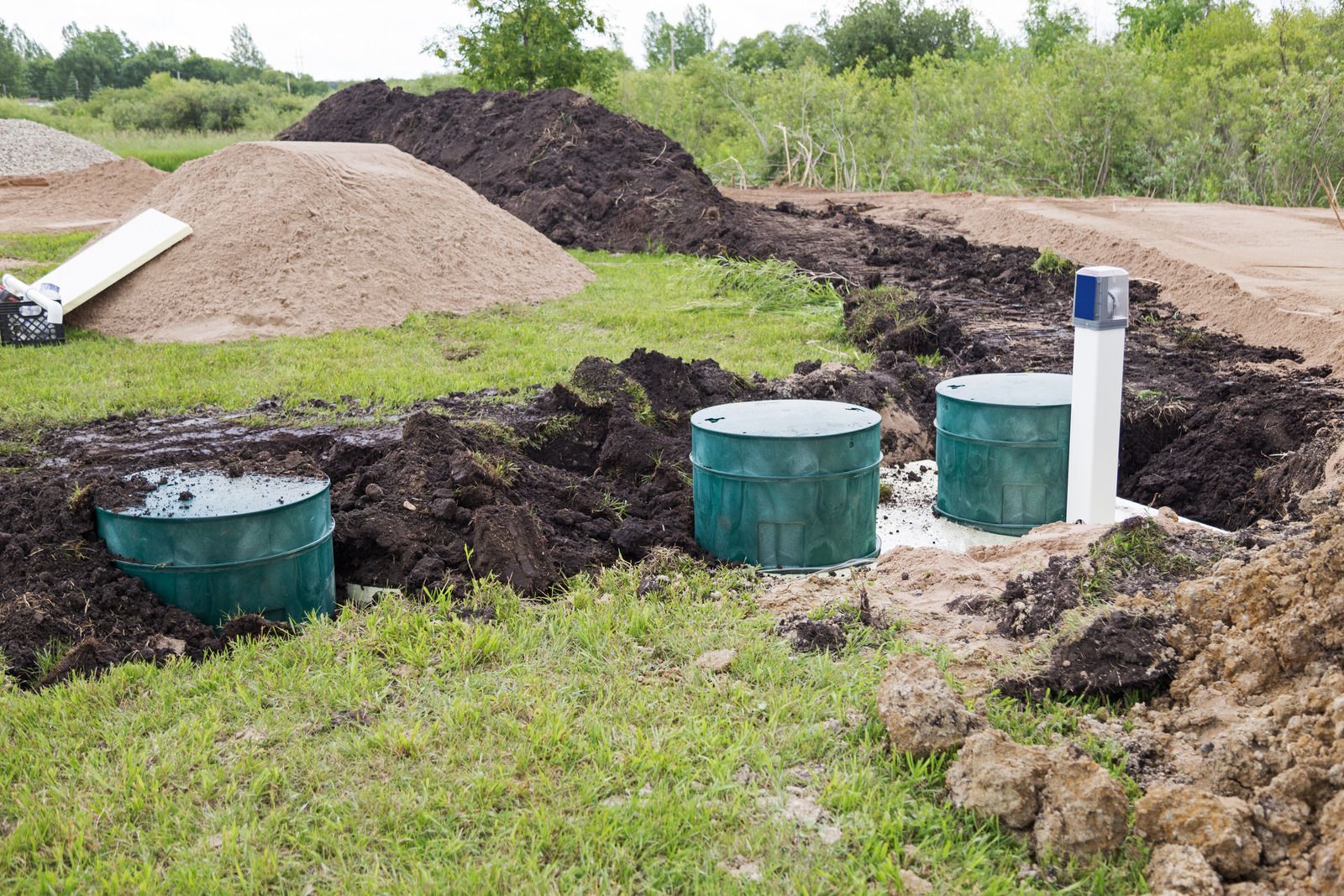
Concrete, fiberglass, and polyethylene tanks each offer unique benefits depending on site conditions. We evaluate durability, soil acidity, and installation depth before selection. A properly chosen tank reduces structural risks and improves system longevity under rural environmental stress. Material selection must also account for groundwater exposure risks, freeze-thaw cycles, installation accessibility, and long-term maintenance requirements to ensure reliable performance and structural integrity across diverse rural environmental conditions and regulatory compliance standards ensured.
Drain Field Engineering and Distribution
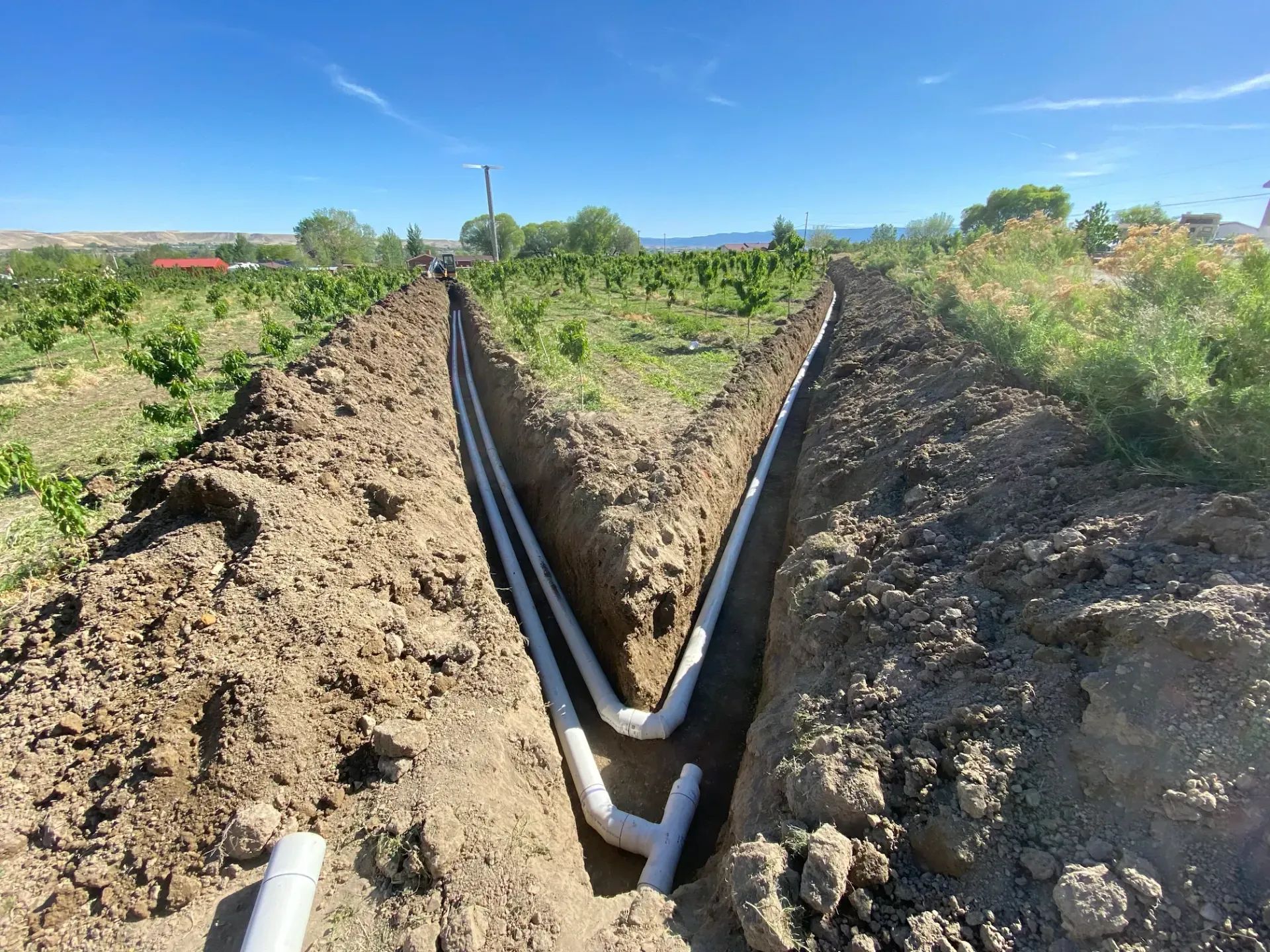
A well-designed drain field ensures even wastewater distribution across absorption zones. We prioritize trench spacing, depth accuracy, and gravel composition to enhance filtration efficiency. Poor drain field design is one of the leading causes of septic system failure, making precision essential in rural installations. Advanced hydraulic distribution methods and properly engineered lateral lines improve effluent dispersion, reduce clogging risks, and support consistent absorption across varied soil permeability conditions in rural environments effectively.
Environmental Protection and Regulatory Compliance
Groundwater Safety Measures
Protecting groundwater is a critical responsibility in rural wastewater management. Improper septic design can introduce harmful bacteria and chemicals into drinking water sources. We incorporate safety buffers and filtration layers to reduce contamination risks and maintain environmental integrity. These protective strategies are designed to safeguard aquifers, maintain potable water quality, and ensure compliance with environmental regulations while supporting sustainable rural infrastructure development over time through consistent monitoring and preventive measures implemented effectively.
Compliance with Local Health Regulations
Rural Colorado counties enforce strict septic installation guidelines to protect public health. We ensure every system aligns with county codes, permitting requirements, and inspection standards. Compliance is not optional; it is essential for legal operation and long-term property value stability. Adherence to regulatory frameworks ensures safe wastewater handling, reduces environmental risks, and prevents legal complications while supporting responsible rural development and maintaining community health standards across jurisdictions consistently and effectively enforced always.
Sustainable Wastewater Management Practices
Sustainability is becoming increasingly important in rural infrastructure planning. We integrate eco-conscious design elements such as efficient effluent distribution and advanced treatment components where necessary. These practices reduce environmental impact while improving system performance over time. Additional strategies include water recycling considerations, nutrient management, and system optimization techniques that support long-term ecological balance while reducing strain on local groundwater resources and improving rural sanitation outcomes across diverse environmental conditions effectively and sustainably.
Common Failures and How Proper Design Prevents Them
System Overloading and Hydraulic Failure
One of the most common septic issues arises when systems are overloaded beyond their design capacity. This leads to surface pooling, foul odors, and drain field saturation. We prevent this by accurately forecasting usage and incorporating safety margins into system design. Proper demand estimation, peak load analysis, and hydraulic balancing techniques help maintain operational stability and prevent premature system degradation under varying rural usage conditions through adaptive engineering and planning strategies implemented.
Poor Drain Field Performance
Drain field failure often results from improper soil evaluation or incorrect installation depth. Compacted soil layers restrict wastewater movement and reduce absorption efficiency. We mitigate these risks through detailed site analysis and correct excavation practices. Comprehensive geotechnical assessments, percolation testing, and precise grading ensure optimal effluent dispersion, preventing localized saturation and extending system lifespan across diverse rural soil conditions and environmental constraints through engineered subsurface flow optimization techniques and monitoring protocols applied.
Lack of Maintenance Planning
Even the best-designed systems require maintenance access and monitoring points. Without proper planning, routine inspections become difficult, leading to undetected issues. We design systems with accessibility in mind, ensuring long-term serviceability and reduced repair costs. Strategic placement of access points, inspection ports, and maintenance corridors ensures efficient servicing, reduces downtime, and supports proactive system management throughout the lifecycle of rural septic infrastructure systems while ensuring regulatory compliance and operational efficiency consistently applied.
Best Practices for Long-Term Septic Efficiency
Regular Inspection and Monitoring
Routine inspections help identify early signs of system stress. We recommend scheduled evaluations of tank levels, distribution lines, and soil absorption areas. Early detection prevents costly repairs and environmental damage. Scheduled maintenance programs, remote monitoring technologies, and predictive analytics enable proactive identification of system inefficiencies, ensuring timely intervention and reducing the likelihood of major failures in rural septic infrastructure over extended operational periods through continuous improvement and data-driven management systems implementation strategies.
Water Usage Management
Excessive water usage is a major contributor to septic strain. We encourage efficient water practices, including staggered usage and installation of low-flow fixtures. Balanced usage improves system longevity and reduces overload risk. Implementing conservation measures, household awareness programs, and water-efficient technologies helps reduce system stress, optimize wastewater flow, and extend septic system lifespan while maintaining compliance with rural infrastructure sustainability goals and environmental protection standards through responsible usage and planning strategies applied.
Strategic Landscaping Around Septic Areas
Vegetation selection plays an important role in system protection. Deep-rooted plants can damage underground components, while appropriate grass coverage supports soil stability. We promote careful landscaping to preserve system integrity and prevent root intrusion. Proper landscaping design, buffer zones, and vegetation management strategies ensure long-term system protection, reduce physical damage risks, and enhance overall septic performance in rural environments with varying soil and climatic conditions through sustainable planning and maintenance approaches implemented.
Proven Wastewater Design Approach Ensuring Long-Term Performance
Proper septic system design is essential for maintaining safe, efficient, and environmentally responsible wastewater management in rural areas. Careful planning reduces system failures, protects groundwater, and ensures compliance with local regulations. Each stage of design, from soil evaluation to drain field engineering, plays a direct role in long-term system performance. Without accurate design, rural properties face increased risks of contamination, costly repairs, and operational disruption.
Reliable septic infrastructure depends on expertise, precision, and a deep understanding of local environmental conditions. In regions like Palisade and Delta, these factors become even more critical due to variable soil structures and seasonal water fluctuations. A well-executed design ensures stability, durability, and peace of mind for property owners who depend on independent wastewater systems.
Wiseland Construction & Excavation, based in Palisade, Colorado with 15
years of experience, brings trusted expertise in septic system planning and installation. We deliver solutions built on accuracy, durability, and environmental responsibility. Our approach ensures every project meets high standards of performance while supporting long-term rural infrastructure needs.