When to Repair vs. Replace a Damaged Water Line
Quick Answer: A localized water line repair usually makes sense when the failure is a single, isolated break in a line that is otherwise sound, especially on newer PEX or copper pipe with no leak history. Full replacement becomes the better call when the line is galvanized steel, when it has already failed more than once, or when the failure point sits in rocky or unstable ground that is likely to shift and cause the next break somewhere else along the same run. Trenchless methods can often replace a full line with far less digging than a traditional open trench, which matters even more on rocky, high-desert ground where every foot of excavation takes longer to reach.
You're standing over a wet patch in the yard that wasn't there last week, or maybe a plumber already dug down and found the leak. Either way, you're facing a decision that feels bigger than it should: patch the spot that failed, or replace the whole line. On paper that looks like a simple choice between a small job and a big one. It isn't. The ground underneath a Grand Valley property has a lot to say about which option actually holds up, and a repair that looks like the cheaper, faster fix on day one can turn into the first of several trips back to the same stretch of pipe.
Water lines fail for reasons that stay invisible from the surface. A pipe corrodes from the inside, a joint works loose, or the soil around a section of line shifts enough to stress the pipe until it cracks. None of that shows up until water starts finding its way out. By then the question isn't just what broke, but why, and whether the same thing is about to happen six feet further down the line. Getting that read right is what separates a repair that actually holds from one that buys you a few months.
What a Repair Can Actually Fix
A repair works by isolating the damaged section, cutting it out, and rejoining the line with a coupling or a short patch. It's fast. It disturbs less ground, and when the rest of the line is sound, it can hold for years. But a repair only addresses the spot you dug up. It does nothing for whatever condition caused that spot to fail, so its value depends entirely on whether the cause was a one-time event or a symptom of something happening along the whole line.
A repair tends to be the right call when the failure looks like an isolated accident rather than a pattern. A line nicked by a fence post auger, damaged during nearby digging, or cracked at a single joint from ground movement in one spot is often otherwise in decent shape. If the rest of the run is newer material, has no other known problems, and the water pressure and clarity elsewhere in the house are normal, cutting out the bad section and rejoining the line is a reasonable, proportionate fix.
Reading the Signals: Line Age and Material
Before you can judge whether a repair will hold, you need to know what's actually in the ground. Not every water line is built the same, and the material tells you most of what you need to know about how much life is left in it.
Galvanized Steel
Galvanized steel commonly appears in older Grand Valley properties and corrodes from the inside out. As corrosion builds, the pipe narrows, collects sediment, and eventually develops leaks. Because deterioration affects the entire run, repairing one failed section may only delay another problem. Older galvanized lines often make replacement the more durable option.
Copper
Copper generally provides long service life when properly installed and protected from aggressive soil conditions. A single failure does not automatically mean the entire line needs replacement. If the pipe is otherwise sound and the damage resulted from an isolated event, such as nearby digging or freezing, targeted repair can be appropriate.
PEX and HDPE
PEX and HDPE are flexible, corrosion-resistant materials commonly used for modern water lines. Their flexibility allows them to handle minor ground movement better than rigid pipe, while their resistance to corrosion supports long-term performance. When a properly installed PEX or HDPE line develops one isolated failure, repairing that section may often be sufficient.
The pattern across all three materials is consistent: rigid, older, corrosion-prone pipe tends to fail as a system, while newer, flexible, corrosion-resistant pipe tends to fail as an isolated event. Knowing which category your line falls into is the single biggest factor in whether a repair is a real fix or a temporary patch.
How Many Times Has This Line Already Failed?
Leak history matters as much as material and age, because it tells you whether you're looking at a one-time event or a pattern still unfolding. A line that has never given you trouble and just developed a single break is a very different animal than a line you've already had repaired once or twice.
Track every repair on the same run, even the ones that felt minor at the time. One prior leak, especially if it happened somewhere clearly explainable, doesn't necessarily change the calculation. Two or more failures on the same line within a few years does. At that point the pattern is the evidence. Whatever caused the first failure, whether it's corrosion, soil movement, or plain age, is still sitting in the ground, and it will keep producing new failures at new points along the pipe. Chasing individual leaks on a line that's already shown you it's failing as a whole usually means more digging, more disruption, and more downtime spread across a longer stretch of time than doing the full job once.
Tip: Keep a simple record of where and when a water line has been repaired, even for small jobs. If a second leak shows up on the same run within a few years, that history is exactly what tells a contractor the line is failing as a whole rather than dealing with a series of unrelated accidents, and it should shift the conversation toward replacement.
Soil Movement and Settling: Why the Same Line Keeps Failing
Rocky, high-desert ground doesn't just make digging harder. It moves. That movement is often the real reason a line that "just got repaired" fails again a season or two later.
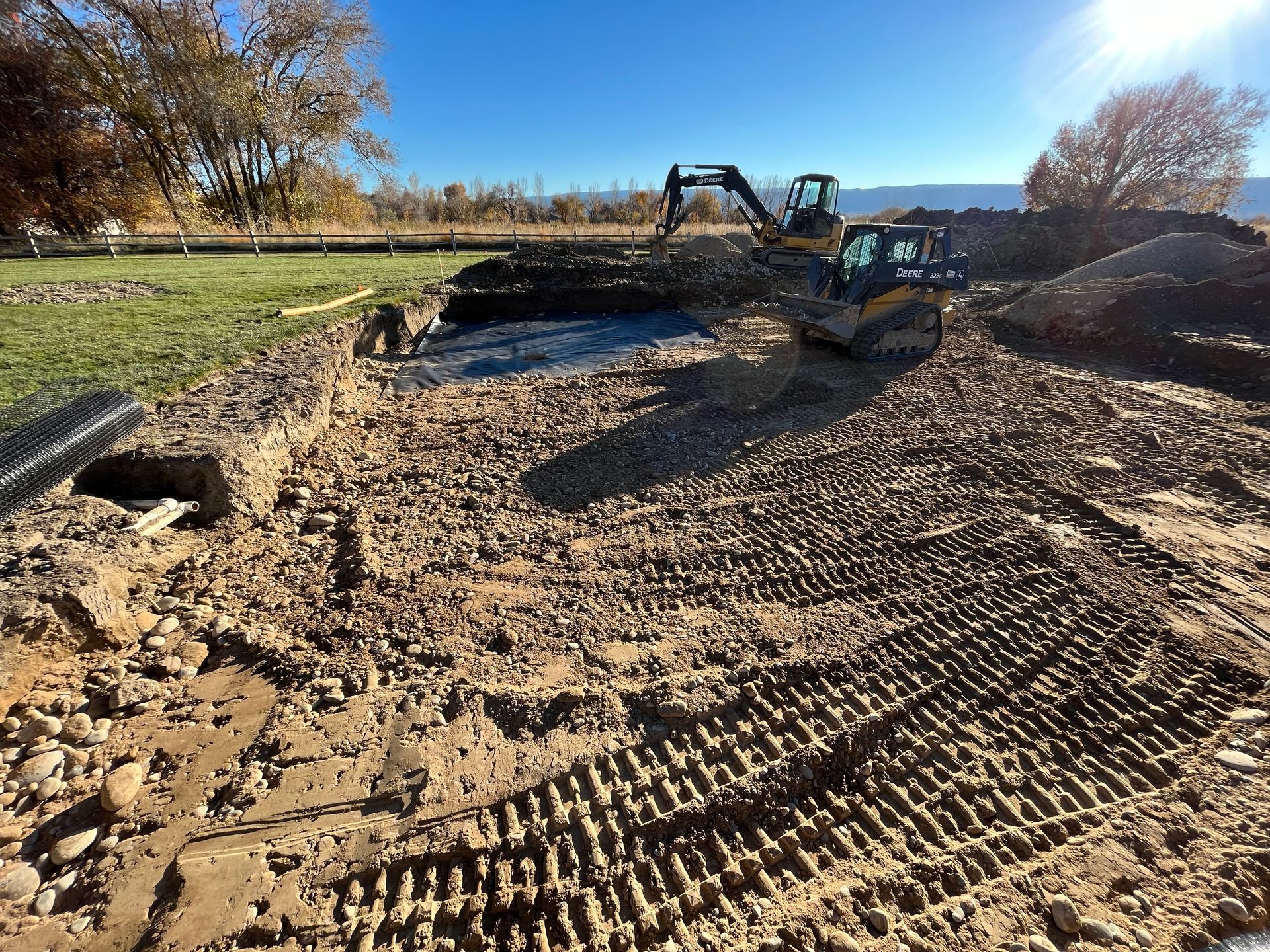
Expansive soils across parts of western Colorado swell when they take on moisture and contract as they dry back out, and that cycle repeats every year. A rigid pipe sitting in soil that's expanding and contracting around it takes on stress at every joint and every bend. Add in the freeze-thaw cycle common to this climate, where moisture in the ground freezes, expands, and heaves the soil above the pipe before thawing back down, and you've got a section of ground that never quite settles. A pipe running through that kind of soil carries a different load than one buried in stable, uniform dirt, and a single repair does nothing to change the soil conditions that caused the failure in the first place.
That's why a repair on an older, rigid line in unstable ground so often turns into the first of several. The fix addresses the break, but the ground keeps doing what it was doing before the repair. The next weak point along the same run, whether it's the next joint or the next section of corroded pipe, gets subjected to the same movement. If the failure you're looking at happened in ground you know has settled, shifted, or heaved before, that history should carry real weight in the repair-or-replace decision.
Warning: Do not treat a repair on rocky or previously unstable ground as a permanent fix without checking the soil conditions along the rest of the line. A pipe that failed once in ground known to shift or settle is a strong candidate to fail again nearby, and repeated digging in the same area to chase new leaks usually costs you more disruption over time than addressing the whole section while the ground is already open.
Trenchless vs. Open-Trench Replacement on This Terrain
Once the decision leans toward full replacement, the next question is how that replacement gets installed. Here the method matters almost as much as the material.
Open-Trench Replacement
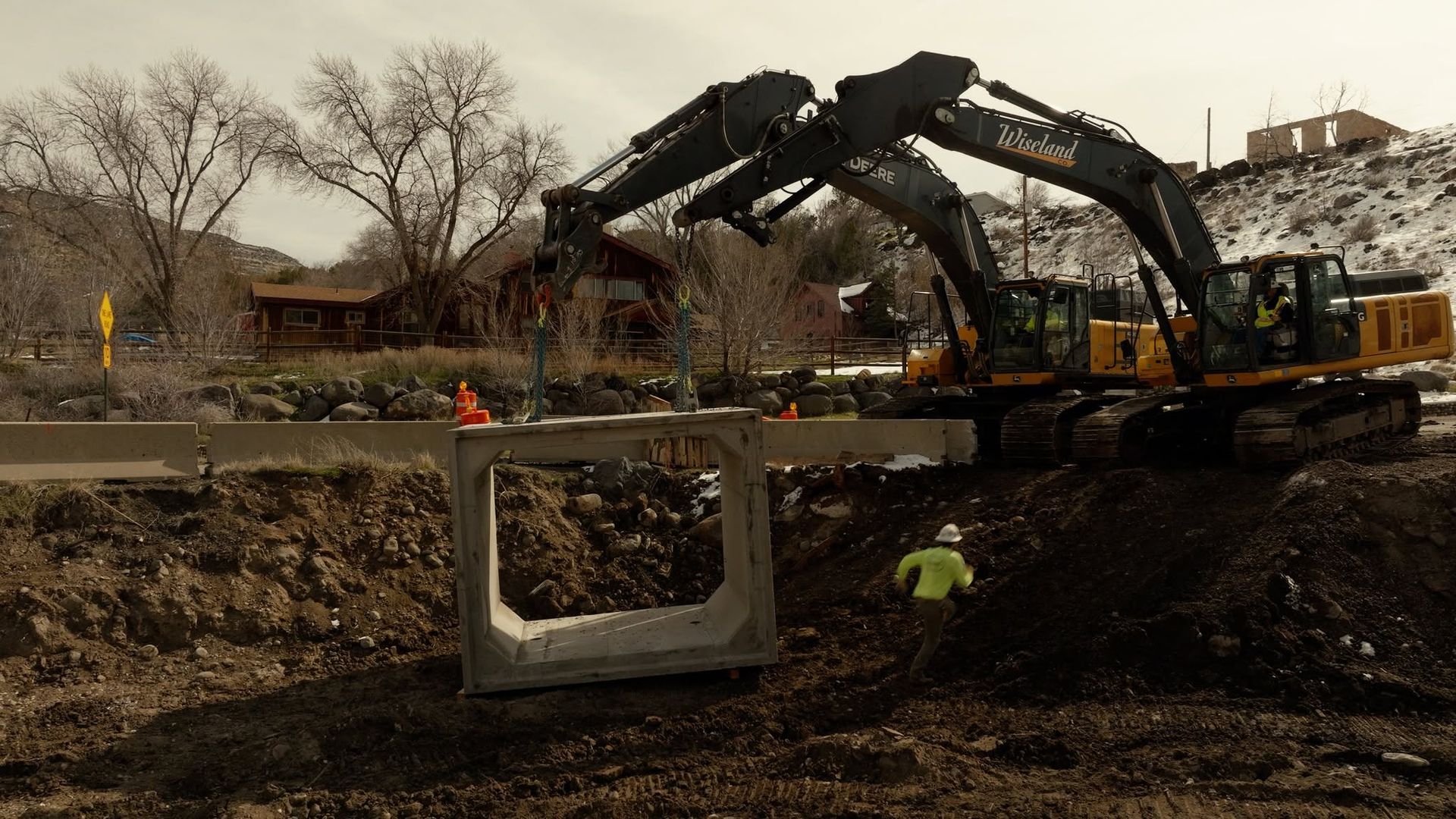
Open-trench replacement requires digging continuously along the water line, providing direct access to the entire run. This approach makes inspection and installation straightforward, but rocky ground increases excavation time, equipment needs, and surface disruption. Yards, driveways, landscaping, and other areas above the line may require more restoration afterward.
Trenchless Replacement
Trenchless replacement uses small access pits to install a new PEX or HDPE line along the existing route. Pipe bursting can break apart the old pipe while pulling the replacement through. Because excavation is limited to access points, this method can reduce digging, disruption, and challenges associated with rocky ground.
Trenchless methods aren't the right fit for every situation. They work best when the general path of the old line is sound and there's room for access pits at each end, and they're less suited to lines that need to be relocated rather than replaced in place. Still, on a property where the alternative is opening a long trench through cobble and compacted rock, trenchless can mean a full line replacement with a fraction of the digging open trenching would require. That's worth real weight on ground like this, before you even factor in how much faster the yard recovers afterward.
Putting the Factors Together
None of these factors work in isolation. A newer PEX line with a single, explainable failure in stable soil is a strong repair candidate almost regardless of what else is going on. An older galvanized line with more than one repair already on record, sitting in ground known to shift or settle, is a strong replacement candidate even if the current failure looks small by itself. Most real situations fall somewhere between those two extremes, which is exactly why a proper assessment weighs the pipe material, the leak history, and the ground conditions together instead of making the call off a single data point.
A repair only earns the label "durable fix" when the material, the history, and the soil all point the same direction. When they don't, especially when the ground itself is part of the problem, putting more thought into a full replacement, and the method used to install it, tends to save you from having this same conversation again in another year or two.
Frequently Asked Questions
How do I know if my water line failure is a one-time event or part of a bigger problem?
Check the pipe's material, age, and repair history. One isolated break on newer corrosion-resistant pipe often indicates a localized issue, while repeated failures or older rigid pipe suggest a broader problem.
Is galvanized pipe always worth replacing instead of repairing?
Not always, but older galvanized pipe deserves careful evaluation. Because corrosion develops throughout the line, one leak can signal weakened sections elsewhere. Replacement is often more reliable than repeatedly repairing aging galvanized pipe.
Does rocky soil actually affect whether I should repair or replace?
Yes. Rocky ground makes excavation slower and more disruptive. If repeated failures are likely, replacing the line during one excavation may make more sense than repeatedly digging through difficult terrain to repair new leaks.
What is the difference between open-trench and trenchless replacement?
Open-trench replacement requires digging along the entire pipe route. Trenchless replacement uses smaller access points to install the new line through the existing path, reducing excavation, surface disruption, and the amount of rocky ground disturbed.
Can soil movement cause a water line to fail even if the pipe itself is in good shape?
Yes. Expansive soils, settling, and freeze-thaw cycles can place repeated stress on buried pipes. Over time, that movement can create cracks, strain joints, or cause new failures even when the pipe remains structurally sound.
How many repairs on the same line is too many before considering replacement?
There is no exact number, but two failures within a few years deserve attention. Repeated breaks often indicate an underlying material, age, or soil problem, making full replacement more practical than continued repairs.
Making the Right Water Line Decision
A damaged water line does not always call for a complete replacement. The right choice depends on the pipe's age and material, its history of previous failures, and the conditions surrounding the buried line. A newer PEX, HDPE, or copper line with one isolated break may only need a focused repair, while older galvanized pipe or a repeatedly failing line can point to a larger problem. In Mesa County, CO, rocky ground and seasonal soil movement can also make repeated repairs increasingly disruptive.
With 15
years of experience, Wiseland Construction & Excavation
understands how these conditions affect buried water lines across Mesa County, CO. Looking at the full picture helps determine whether repairing the damaged section is enough or whether replacement will provide a more dependable long-term result. When replacement is necessary, choosing between open-trench and trenchless installation can also reduce unnecessary excavation and disturbance while accounting for the realities of the local terrain.